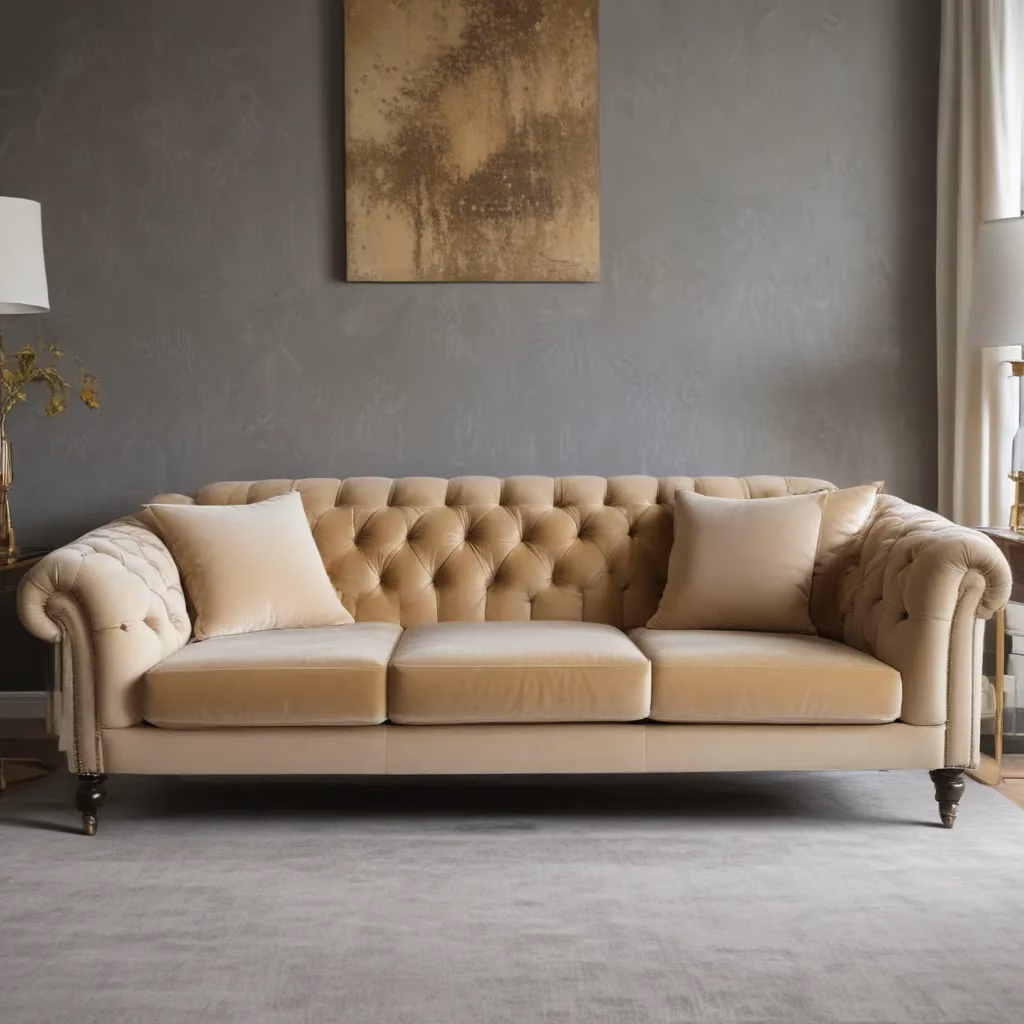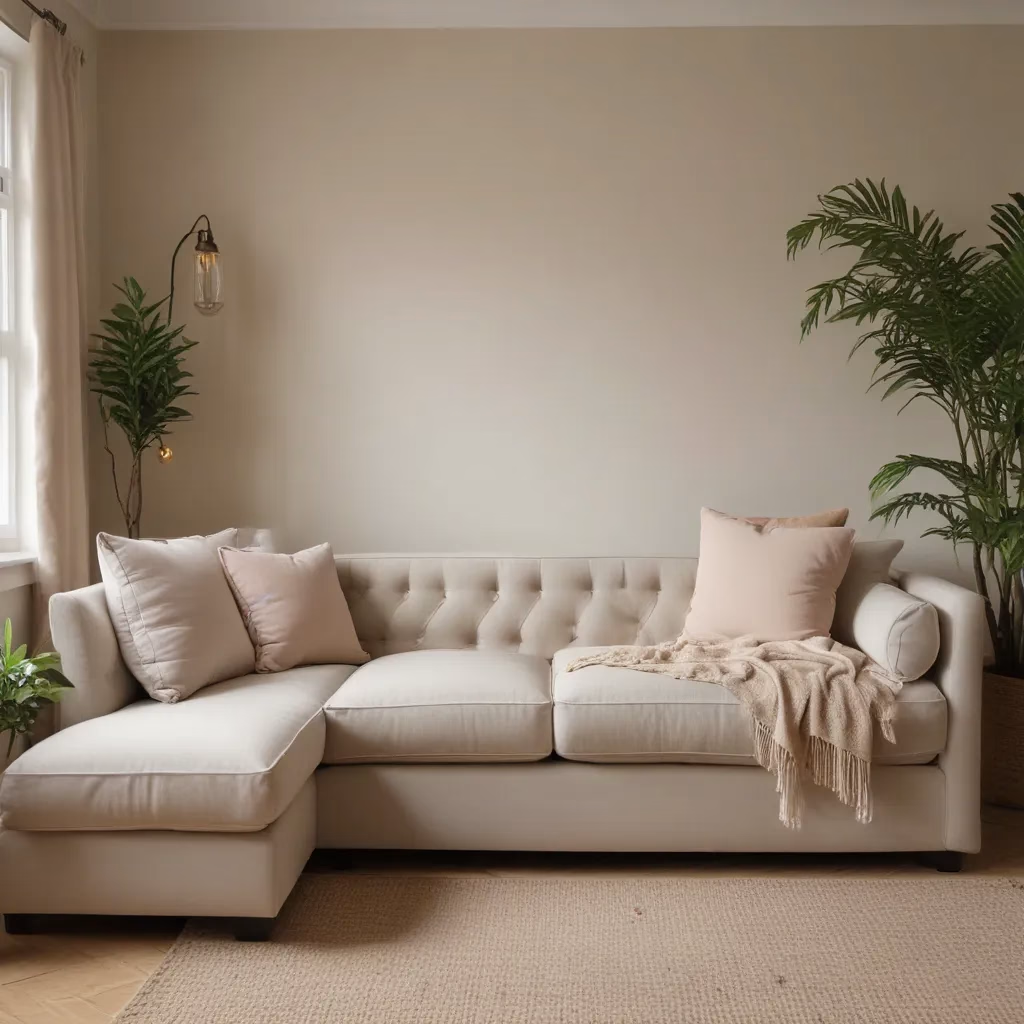
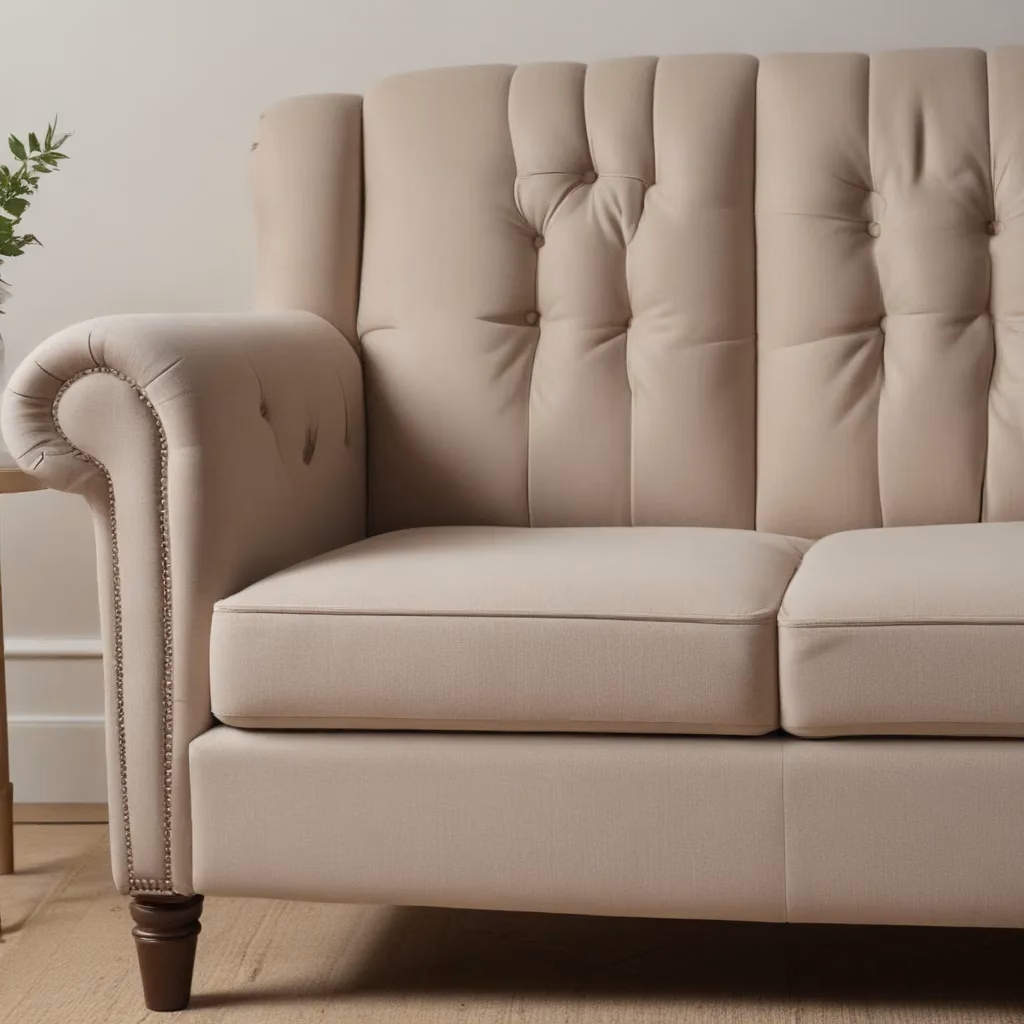
As an experienced furniture consultant and interior design writer, I understand the importance of maintaining your upholstered pieces for the long haul. In our 15 years installing… Your living room sofa, loveseat, or sectional isn’t just a centerpiece of your décor – it’s a significant investment that should be protected and cared for to double-check that lasting comfort and style.
Now, this might seem counterintuitive…
Sofa and Upholstery Basics
Fabric and Upholstery Selection
When it comes to upholstery, the fabric you choose can make all the difference in how your furniture stands up over time. Natural fibers like cotton, linen, and wool tend to be more durable, while synthetic fabrics like polyester and microfiber offer easy-clean convenience. Leather and faux leather upholstery also have their own unique maintenance requirements.
Ultimately, the right fabric depends on your lifestyle, budget, and aesthetic preferences. Do you have young children or pets who may put your sofa through its paces? Or are you looking for a more formal, delicate material to complement your living room decor? Understanding the pros and cons of different upholstery types is the first step in making an informed purchase.
Upholstery Materials and Durability
Beyond the surface fabric, the internal construction of your sofa also plays a big role in its longevity. High-density foam, memory foam, and even down-filled cushions can provide superior comfort and support, while coil spring systems offer a classic, resilient seating experience.
When evaluating potential sofa purchases, pay close attention to the quality of the frame, springs, and cushion fillings. Cheaper, lower-grade materials may save you money upfront, but they’re more likely to sag, lose their shape, and require frequent replacement.
Choosing the Right Sofa for Your Space
Of course, selecting the right sofa size and configuration for your living room is also crucial. Measure your space carefully, accounting for traffic flow, access to windows and doorways, and other furniture placement. A too-large or too-small sofa can quickly become an eyesore and a frustration to use.
Consider the overall layout and visual balance of your room as well. L-shaped sectionals, loveseats, and armchairs can all play a role in creating a cohesive, harmonious design. And don’t forget to factor in family needs and usage – a formal, delicate sofa may not be the best choice for a household with young children or pets.
Living Room Layout and Design
Furniture Placement and Traffic Flow
Once you’ve chosen your ideal sofa, thoughtful furniture arrangement is key to maximizing both form and function. Position your piece to anchor the room, allowing for easy access and unobstructed pathways. Floating your sofa away from the walls can create a more intimate, conversational setting, while facing it towards the television encourages relaxation and media enjoyment.
Lighting and Ambiance
Lighting is another crucial element in crafting a welcoming living room atmosphere. Overhead fixtures, floor lamps, and table lamps can all work together to set the right mood, highlight your sofa, and double-check that the space is well-illuminated for reading, socializing, and everyday use.
Don’t forget to consider the natural light in your room as well. Strategically placed mirrors and light-colored accents can help bounce daylight around, while thoughtful window treatments can control glare and UV exposure to protect your upholstery.
Decorative Accents and Styling
Finally, accessorizing around your sofa can elevate the entire living room design. Throw pillows, blankets, and area rugs not only add visual interest but also contribute to the overall comfort and coziness of the space. Choose colors, patterns, and textures that complement your sofa’s upholstery for a cohesive, intentional look.
Artful wall decor, side tables, and coffee tables can also help ground your seating arrangement and make the room feel complete. The key is to strike a balance between form and function, creating a space that’s both visually appealing and highly livable.
Sofa Cleaning and Maintenance
Routine Cleaning and Care
Proper upholstery maintenance is essential for keeping your sofa looking its best and lasting for years to come. Vacuum regularly to remove surface dirt, dust, and debris, paying close attention to crevices and seams. Spot-clean any spills or stains immediately, using a mild, upholstery-safe detergent and a soft-bristle brush.
For a more thorough clean, consider professional upholstery cleaning every 12-18 months. Experienced technicians have the specialized tools and solutions to deeply extract stubborn soil, remove odors, and even apply protective treatments to guard against future wear and tear.
Spot Cleaning and Stain Removal
Despite our best efforts, accidents and spills are bound to happen. When tackling tricky stains, it’s important to act quickly and use the appropriate cleaning methods for your sofa’s fabric. Blot wet spills with a clean, absorbent cloth to lift as much of the liquid as possible, then dab with a mild detergent solution.
For set-in stains, you may need to bring in the pros. Stubborn red wine, grease, or pet accidents often require specialized spot-cleaning techniques and solutions to avoid further damaging the upholstery.
Extending the Life of Your Upholstery
In addition to regular cleaning, there are several other steps you can take to extend the lifespan of your sofa’s upholstery. Rotate and flip cushions periodically to promote even wear, and avoid direct sunlight which can cause fading and premature aging.
Consider investing in a fabric protector treatment after professional cleanings. These protective coatings create an invisible barrier against spills, stains, and everyday dirt, making future maintenance much easier.
Proper care and maintenance can dramatically prolong the life of your cherished upholstered furnishings, ensuring they maintain their style and comfort for years to come.
Furniture Buying Guides
Measuring for the Perfect Fit
When purchasing a new sofa, one of the most critical factors to consider is ensuring it will fit perfectly in your living space. Measure the room’s dimensions carefully, accounting for doorways, walkways, and any other potential obstacles. Also, be sure to jot down the measurements of your existing furniture to help gauge the right scale.
Don’t forget to factor in clearance space as well, leaving enough room for the sofa to be comfortably accessed and moved around. A good rule of thumb is to allow at least 30 inches of space in front of the sofa and 18 inches on each side.
Budgeting and Cost Considerations
Upholstered furniture can be a significant investment, so it’s essential to set a realistic budget and understand what you’re getting for your money. High-quality, durable materials like solid wood frames, high-density foam, and top-grain leather come at a premium, but they often provide better long-term value than cheaper, lower-grade options.
When comparing prices, also consider delivery, assembly, and warranty coverage. These additional services and protections can make a big difference in the overall cost and peace of mind of your purchase.
Navigating the Furniture Market
With so many sofa options available, both online and in physical stores, the furniture buying process can feel overwhelming. Research brands and read reviews to get a sense of quality, customer service, and overall satisfaction. Visit showrooms or participate in virtual consultations to experience the feel and functionality of potential purchases firsthand.
Don’t be afraid to ask questions and communicate your specific needs and preferences to sales associates. A knowledgeable, customer-focused retailer can be an invaluable resource in helping you find the perfect sofa for your home and lifestyle.
Comfort and Aesthetic Considerations
Ergonomic Design and Support
Comfort is undoubtedly one of the most crucial factors in choosing a sofa. Look for ergonomic features like lumbar support, adjustable headrests, and plush cushions that conform to the natural curves of your body. Memory foam and down-filled options can provide superior pressure relief and minimize aches and pains after long stretches of lounging.
The depth and seat height of your sofa are also essential for ensuring a comfortable, supportive seating experience. Taller individuals may prefer a deeper, higher-off-the-ground design, while those of a shorter stature may find a more compact, lower-to-the-ground sofa more suitable.
Customizing Your Sofa
Many furniture manufacturers now offer custom ordering and made-to-measure options, allowing you to tailor your sofa’s size, shape, and upholstery to your precise needs and preferences. This can be especially beneficial for awkwardly shaped rooms or unconventional spaces.
Beyond the basic frame and cushion selection, you can also choose from a wide range of fabric colors, patterns, and textures to perfectly complement your existing décor. Don’t be afraid to get creative and inject your personal style into your sofa design.
Incorporating Trends and Personal Style
While timeless, classic sofa silhouettes will never go out of style, it can also be fun to incorporate the latest design trends into your living room. Jewel-toned velvets, mid-century modern lines, and oversized, plush sectionals are just a few of the popular upholstery styles currently gracing showroom floors.
Ultimately, the most important factor is choosing a sofa that aligns with your personal aesthetic and makes you feel at home. Whether you prefer a sleek, minimalist look or a cozy, eclectic vibe, your living room should be a reflection of your unique style and taste.
Protecting Your Investment
Preventive Maintenance Strategies
Regular upholstery maintenance is key to preserving the longevity and appearance of your sofa. Vacuum frequently, spot-clean spills promptly, and consider professional cleaning every 12-18 months to remove deep-set dirt and stains.
Investing in fabric protection treatments can also safeguard your upholstery against future wear and tear. These invisible coatings create a barrier that repels liquids, guards against fading, and makes subsequent cleaning a breeze.
Warranty and Customer Service
When making a significant furniture purchase, research the manufacturer’s warranty and customer service policies. Quality brands often provide extended coverage on frame construction, cushion durability, and fabric performance, giving you added peace of mind.
Don’t hesitate to reach out to the retailer or brand if issues arise with your sofa. Reputable companies are typically committed to addressing any defects or malfunctions and ensuring your satisfaction with the product.
Long-Term Value of Quality Upholstery
While high-end, durable upholstered furniture may carry a higher initial price tag, the long-term value it provides can make it a worthwhile investment. Well-made sofas that are properly cared for can last for decades, retaining their appearance and functionality even as your living space and style evolves.
Conversely, budget-friendly options that quickly wear out, sag, or require frequent replacement can end up costing you more in the long run. By prioritizing quality and maintenance from the start, you’re making an investment that will pay dividends for years to come.
Sofa Selection Process
Assessing Your Needs and Lifestyle
Before embarking on your sofa shopping journey, take some time to reflect on how you and your family will use the piece. Do you need something that can withstand the wear and tear of young children and pets? Or are you looking for a more formal, delicate option to complement your elegant living room?
Consider factors like seating capacity, configuration (e.g., loveseat, sectional, chaise), and special features (e.g., reclining, sleeper) to double-check that the sofa you choose aligns with your specific needs and usage requirements.
Researching Brands and Reviews
Once you have a clear idea of what you’re looking for, dive into researching reputable furniture brands and models. Peruse online reviews, check out manufacturer websites, and seek out recommendations from friends, family, and interior design professionals.
Pay close attention to customer feedback on aspects like durability, comfort, and customer service. These insights can be invaluable in helping you make an informed purchasing decision and avoid potential pitfalls.
Test-Driving and Finalizing Your Purchase
Whenever possible, visit furniture showrooms or participate in virtual consultations to experience potential sofa options firsthand. Sit on the pieces, evaluate the cushions and support, and take note of the overall construction and materials.
Don’t be afraid to ask plenty of questions and communicate your preferences to sales associates. A knowledgeable, customer-focused retailer can be an invaluable resource in guiding you towards the perfect sofa for your home and lifestyle.
Furniture Arrangement and Styling
Creating Balance and Harmony
Once you’ve found the ideal sofa, the next step is arranging it within your living room to achieve a cohesive, balanced look. Consider the overall size and scale of the piece in relation to the room’s dimensions, and position it accordingly to anchor the space.
Complement your sofa with complementary accent chairs, loveseats, or ottomans to create a visually appealing seating arrangement. Symmetry and asymmetry can both work, depending on your personal style and the room’s architecture.
Incorporating Texture and Color
Upholstery fabric isn’t the only way to infuse your living room with visual interest and personality. Throw pillows, blankets, and area rugs can all add layers of texture, pattern, and color that enhance the overall aesthetic.
Play with contrasting materials like velvet, linen, and leather to create a rich, tactile experience. And don’t be afraid to experiment with bold hues or incorporate the latest design trends – a few well-placed accents can breathe new life into even the most classic sofa silhouette.
Layering Accessories for Visual Interest
Finally, accessorize your sofa with thoughtful decorative elements that showcase your personal style. Framed artwork, potted plants, and sculptural objects can all help ground the seating arrangement and make the space feel truly complete.
Consider the placement and balance of your accessories as well, ensuring they complement the sofa and the overall room design. The goal is to create a visually cohesive, intentionally styled living room that feels both inviting and visually appealing.
By prioritizing quality, proper maintenance, and strategic furniture arrangement, you can double-check that your sofa remains a cherished centerpiece of your living space for years to come. Visit https://sofaspectacular.co.uk/ for more inspiration and expert advice on elevating your home’s interior design.
Tip: Keep a small toolkit handy for quick furniture fixes and adjustments