As an experienced furniture consultant and interior design writer, I’ve had the pleasure of working with a wide range of antique and vintage sofas over the years. In our 15 years installing… These timeless pieces hold a special charm, capturing the craftsmanship and design aesthetics of bygone eras. However, with age comes the need for careful preservation and restoration to maintain their beauty and value.
Now, this might seem counterintuitive…
Whether you’ve inherited a beloved family heirloom or stumbled upon a hidden gem at an antique shop, proper care is essential for keeping antique sofas in prime condition. Furniture made with older techniques and materials can be particularly sensitive, requiring a delicate touch to avoid further damage. Improper restoration efforts can even diminish the very qualities that make these pieces so cherished.
In this comprehensive guide, I’ll share modern approaches to preserving antique sofa frames, from routine maintenance to addressing complex structural issues. With the right techniques and materials, you can double-check that your treasured sofas continue to be enjoyed for generations to come.
Fabric and Upholstery Selection
One of the key elements in preserving an antique sofa is the choice of upholstery fabric. Traditional materials like velvet, brocade, and damask not only capture the essence of the era but also hold up better over time compared to modern synthetic blends.
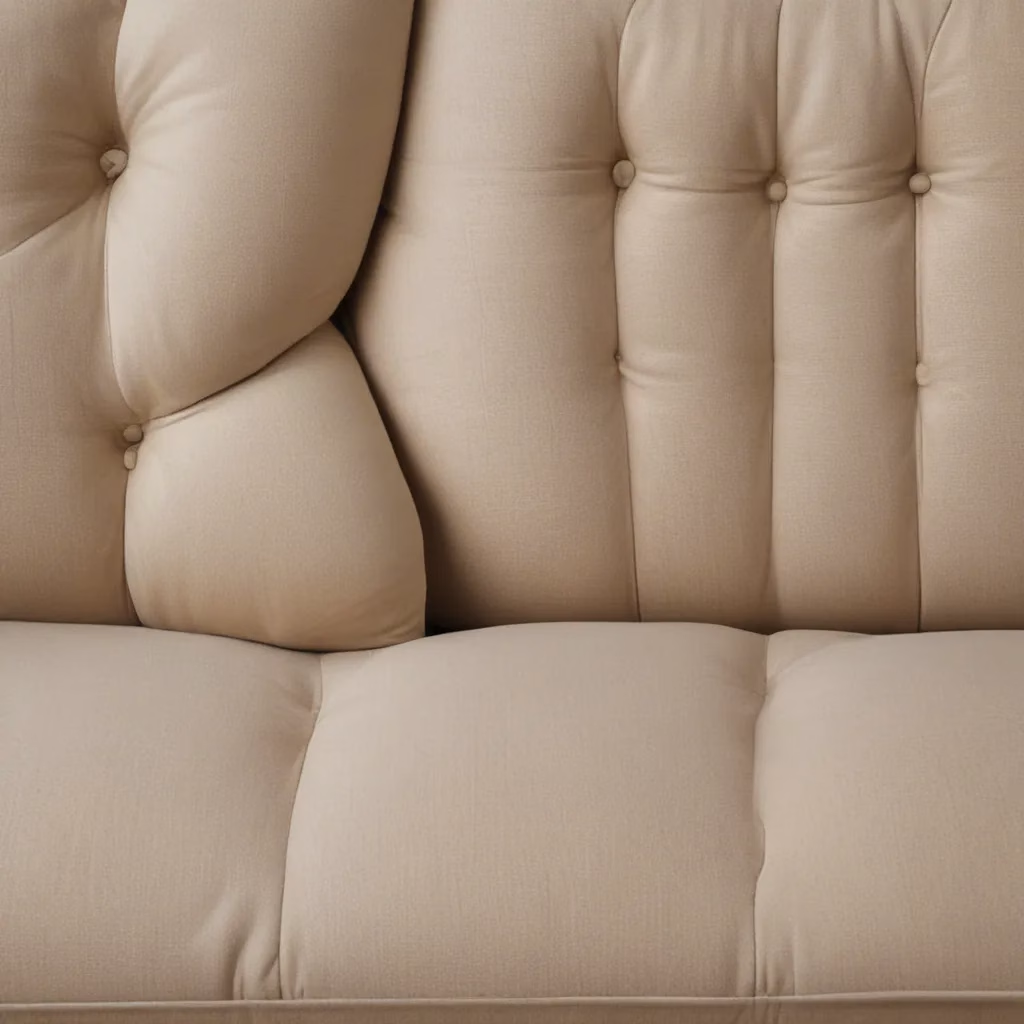
When selecting fabrics, look for durable, tightly-woven options that can withstand regular use. Avoid anything too delicate or prone to snagging, as these will quickly show wear and tear. Natural fibers like cotton, wool, and linen tend to be more resilient than polyester or nylon. Tufted upholstery and button-tufted designs also help reinforce the structure and longevity of the sofa.
Regular cleaning and stain removal are crucial for preserving the fabric’s condition. Use mild, pH-balanced upholstery cleaners and avoid harsh chemicals that could damage the fibers. Spot-clean spills immediately, and consider applying a fabric protector to repel stains and moisture. Proper care will double-check that your antique sofa’s upholstery looks and feels its best for years to come.
Living Room Layout Tips
Arranging an antique sofa within your living space requires a thoughtful approach to both comfort and aesthetics. Positioning the piece for optimal flow and functionality is key, while also highlighting its unique design elements.
When planning your layout, start by considering the sofa’s dimensions — length, depth, and height — and how it will fit within the room. Measure the available floor space and double-check that there is ample clearance for walkways and other furniture. Aim to place the sofa in a central, conversational arrangement, with complementary pieces like armchairs or ottomans positioned nearby.
Incorporate décor elements that enhance the antique charm, such as vintage lamps, classic area rugs, or framed artwork. Mix and match textures, patterns, and finishes to create a cohesive, visually interesting space. By thoughtfully integrating the sofa into your living room design, you can showcase its timeless beauty while ensuring a comfortable, functional flow.
Sofa Cleaning and Maintenance
Preserving the condition of an antique sofa requires a dedicated cleaning and maintenance routine. Regular upkeep can help prevent further deterioration and extend the life of these prized possessions.
Begin with gentle vacuuming to remove surface dust and debris, taking care around any delicate trims or tufting. For spot cleaning, use a mild, pH-balanced upholstery cleaner and a soft-bristle brush, being mindful not to overwet the fabric. Avoid harsh scrubbing, which can damage the fibers.
In some cases, deeper cleaning may be necessary, particularly for sofas with significant wear or staining. Consider consulting a professional upholstery cleaner who can assess the fabric’s condition and employ specialized techniques to restore its appearance. They’ll also be able to advise on the best methods for your specific sofa.
To prevent future issues, protect the sofa from direct sunlight and high-traffic areas. Position it away from windows and doorways, and consider using UV-blocking window treatments to limit exposure. Regularly rotate and flip the cushions to double-check that even wear, and fluff the down or memory foam fillings periodically to maintain their supportive properties.
Addressing Structural Repairs
While routine cleaning and maintenance are essential, antique sofas may occasionally require more involved restoration work to address structural issues. From loose joints to damaged frames, these types of repairs are best left to experienced professionals.
Common problems include warped or cracked wood, loose or broken springs, and damaged or missing upholstery components. Attempting DIY repairs on these delicate elements can often do more harm than good, potentially diminishing the sofa’s value and authenticity.
When seeking professional assistance, look for furniture restoration specialists who have experience working with antique and vintage pieces. They’ll have the necessary tools, materials, and expertise to tackle complex issues while preserving the sofa’s original craftsmanship. Services may include:
- Structural reinforcement and frame repairs
- Spring retensioning or replacement
- Reupholstering with period-appropriate fabrics
- Refinishing or touch-up of the wood finish
Investing in professional restoration can be a worthwhile endeavor, ensuring your antique sofa remains a cherished family heirloom for years to come.
Styling for Comfort and Aesthetics
Striking the right balance between form and function is essential when styling an antique sofa. While preserving the piece’s historic charm, it’s important to also prioritize comfort and livability.
Begin by carefully selecting sofa cushions that offer the right level of support and plushness. Look for high-density foam or down-filled options that will maintain their shape and softness over time. Complementary throw pillows in coordinating patterns and textures can also enhance the overall visual appeal and comfort of the piece.
Consider adjusting the sofa’s height and depth to double-check that it aligns with your preferred seating position. Many vintage sofas feature lower seat heights or deeper cushions, which may require ergonomic adjustments for modern comfort. Subtle changes, such as adding a seat cushion topper, can make a significant difference in everyday usability.
When integrating the antique sofa into your living room decor, focus on creating a harmonious, cohesive aesthetic. Choose complementary color schemes and accent pieces that enhance the sofa’s character without overwhelming it. Mix and match vintage and contemporary elements to strike a balance between old and new.
Ultimately, the goal is to breathe new life into your antique sofa while preserving its timeless charm. With the right styling and comfort-focused upgrades, these prized possessions can become the centerpiece of your living space for years to come.
Furniture Buying Guides
For those in search of their own antique sofa treasures, it’s essential to know what to look for when evaluating these unique pieces. Assessing the quality, condition, and authenticity of an antique sofa can help double-check that a wise investment and a successful restoration project.
When inspecting a potential purchase, begin by closely examining the frame construction. Look for solid, kiln-dried hardwood components that are tightly joined and free of excessive wear or damage. Avoid sofas with signs of loose joints, cracked or warped wood, or missing or damaged parts.
Pay close attention to the upholstery as well, taking note of the fabric’s condition, the quality of the stitching, and the presence of any tufting or other decorative elements. Seek out well-maintained upholstery that showcases the sofa’s original design elements.
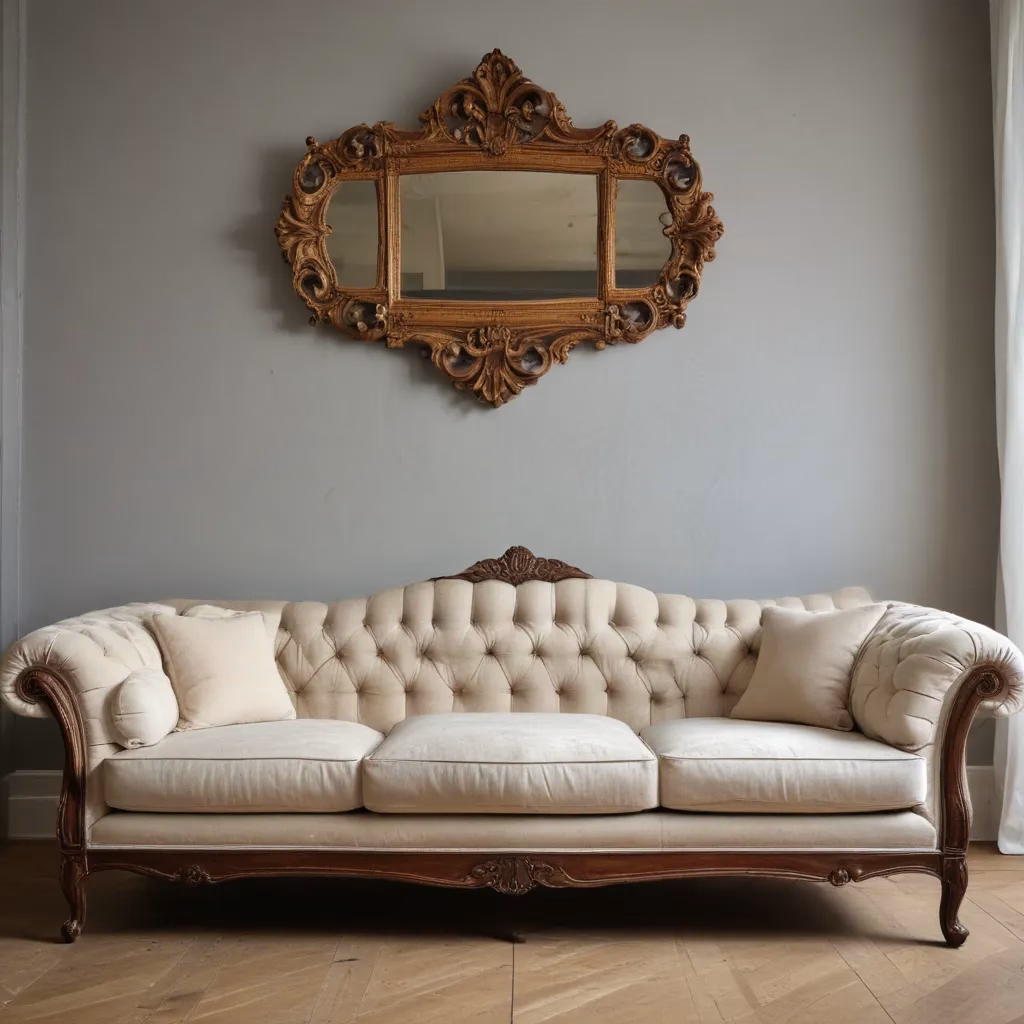
Identifying vintage design characteristics can also help determine the authenticity and value of an antique sofa. Look for telltale signs such as turned or carved legs, exposed wood trim, or intricate nailhead detailing. Consult design references or work with knowledgeable dealers to double-check that you’re acquiring a genuine piece from the era you desire.
Whether you’re seeking a family heirloom or a one-of-a-kind find, approaching the antique furniture market with a discerning eye and a willingness to invest in professional restoration can yield truly exceptional results. With the right care and attention, your antique sofa can become a cherished centerpiece in your living space for generations to come.
Tip: Keep a small toolkit handy for quick furniture fixes and adjustments