Arranging Furniture for Flexibility: Adaptable Layouts for Family Life
In today’s world, our homes have become much more than just a place to rest our heads. We learned this the hard way… They’ve transformed into dynamic hubs – offices, gyms, playrooms, and everything in between. With this evolving role, our living spaces need to adapt and flex to accommodate our ever-changing needs.
Now, this might seem counterintuitive…
That’s where flexible furniture layouts come into their own. By strategically arranging sofas, armchairs, and other key pieces, you can create a living room that works hard for your family, no matter what life throws your way. From hosting impromptu game nights to carving out quiet corners for remote work, the right layout empowers your space to evolve alongside your lifestyle.
SofaSpectacular has the expertise to help you achieve this harmonious balance. As an experienced furniture consultant and interior design writer, I’ve seen firsthand how thoughtful arrangement can transform a living room into a flexible, functional oasis. In this comprehensive guide, I’ll share my top tips for selecting the perfect sofas, optimizing traffic flow, and infusing your decor with adaptable style.
Sofa Selection and Design
The sofa is undoubtedly the linchpin of any living room – a piece that needs to deliver on both form and function. When choosing the right one for your adaptable layout, there are a few key factors to consider.
Fabric and Upholstery Considerations
The fabric and upholstery you select for your sofa play a crucial role in its longevity and maintenance. Look for durable, stain-resistant materials that can withstand the occasional spill or impromptu fort-building session. Performance fabrics like microfiber or polyester blends are excellent options, as they combine style and practicality.
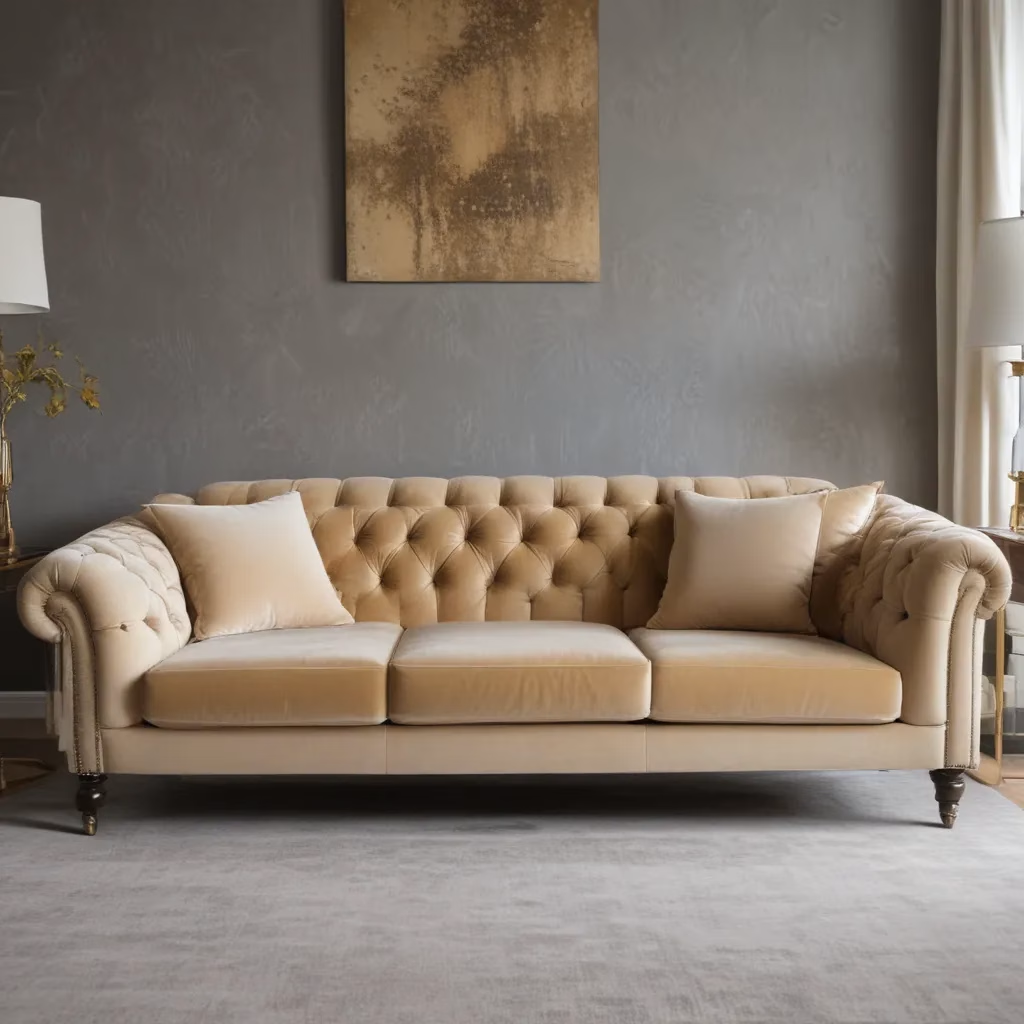
Don’t be afraid to experiment with textures, either. Textured boucle or velvet can add a touch of luxury, while outdoor-friendly fabrics like sunbrella double-check that your sofa can easily transition between indoor and outdoor use.
And remember, removable cushion covers make cleaning a breeze – perfect for busy households where spills and stains are par for the course.
Upholstery Care and Maintenance
Speaking of maintenance, it’s important to choose a sofa that’s easy to keep looking its best. Opt for slip-covered or modular designs that allow you to remove and wash cushion covers as needed. Many high-quality sofas also offer KingGuard+ fabric treatments, which provide an extra layer of protection against stains and wear.
When it comes to cleaning, follow the manufacturer’s instructions carefully. Spot-clean spills immediately, and consider professional upholstery cleaning every 12-18 months to keep your sofa looking fresh.
Sofa Styles and Silhouettes
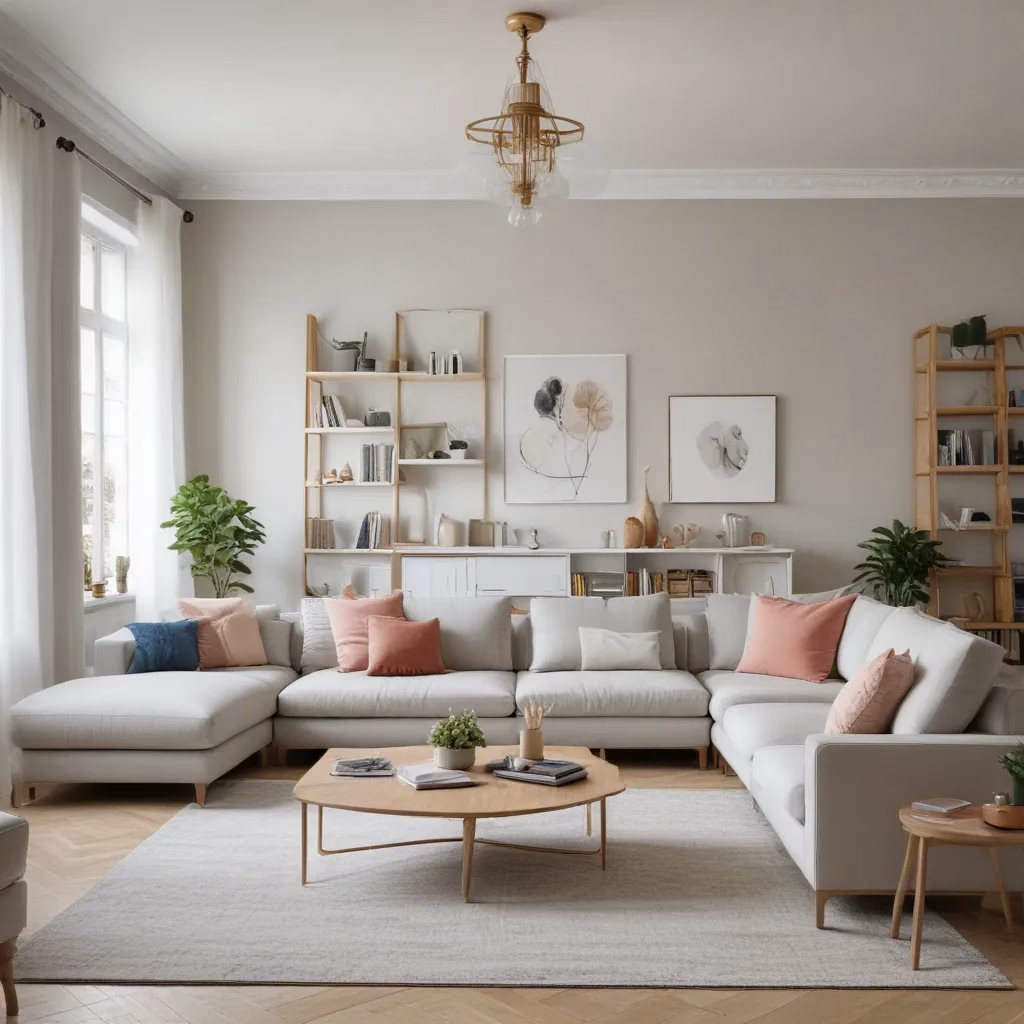
The beauty of flexible living room layouts is that they thrive on versatility. Look for sofa silhouettes that can adapt to your changing needs, such as modular or sectional designs. These configurable pieces allow you to rearrange and expand your seating as your family grows or your entertaining needs shift.
Opt for clean-lined, contemporary styles that seamlessly blend form and function. Avoid overly bulky or ornate sofas, as they can feel static and difficult to move. Instead, choose streamlined silhouettes that can easily be adjusted or repositioned to suit your evolving layout.
Living Room Layout and Arrangement
Once you’ve found the perfect sofa, it’s time to consider how to optimize your living room layout for maximum flexibility.
Optimal Furniture Placement
Start by assessing the flow of traffic in your space. Identify the key entry and exit points, and arrange your sofa and other seating accordingly to create clear pathways. This not only enhances the room’s functionality but also helps prevent bottlenecks during busy family gatherings.
When positioning your sofa, consider its relationship to other key pieces, like accent chairs, coffee tables, and media units. Aim to create a balanced, cohesive arrangement that invites conversation and interaction. Don’t be afraid to experiment with different configurations until you land on a layout that feels both visually appealing and highly practical.
Adaptable and Flexible Layouts
Flexibility is the name of the game when it comes to creating a living room that can evolve with your family’s needs. Modular or sectional sofas are a game-changer here, as their configurable design allows you to rearrange the pieces to suit the occasion.
On a regular day, your sofa might form a cozy L-shaped arrangement perfect for movie nights. But when it’s time to host a larger gathering, simply move the pieces around to create a more open U-shaped layout that accommodates extra seating.
Supplementing your sofa with ottomans, benches, and armchairs further enhances your ability to adapt the space. These versatile pieces can be easily moved, clustered, or used individually to create new seating arrangements on the fly.
Spatial Planning for Function
Beyond the aesthetics, it’s crucial to consider how your living room layout supports the various activities that take place there. Designate distinct zones for different functions, such as:
- Conversation area: Arrange seating to encourage face-to-face interaction, with a coffee table or side tables within easy reach.
- Media zone: Position your sofa and TV stand to create a comfortable viewing experience, potentially with end tables for remotes and drinks.
- Play/work area: Carve out a dedicated space for kids’ play or remote work, using storage ottomans, bookshelves, or modular dividers to define the zone.
By thoughtfully planning these functional zones, you can double-check that your living room seamlessly accommodates the ebb and flow of family life.
Décor and Styling Essentials
With the layout sorted, it’s time to infuse your living room with adaptable style. The right decor and accessories can transform a space, making it feel both visually cohesive and infinitely flexible.
Layering Textures and Patterns
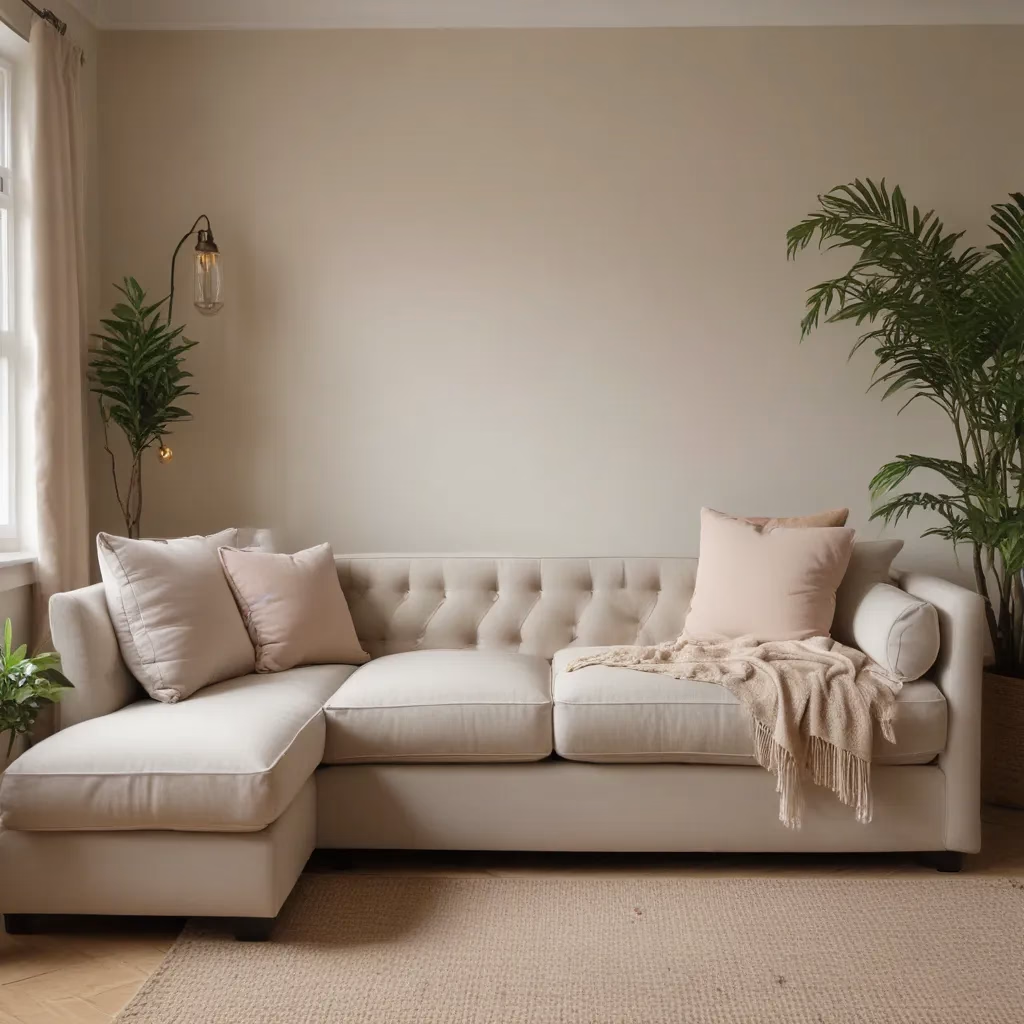
Incorporate a mix of textures and patterns to add depth and visual interest to your living room. Start with a neutral sofa as your foundation, then layer in throw pillows, blankets, and rugs in complementary hues and materials.
For example, pair a velvet sofa with linen or cotton accent pillows, then ground the space with a natural-fiber rug. This creates a harmonious blend of soft and structured elements that can easily be swapped out as your style evolves.
Lighting and Mood-Setting
Lighting is a crucial, yet often overlooked, element in flexible living room design. Floor lamps, table lamps, and sconces allow you to cultivate different moods and atmospheres throughout the day. Position lamps strategically to illuminate specific zones, such as a reading nook or a conversation area.
Dimmers are also a game-changer, enabling you to adjust the ambiance to suit the occasion – from cozy movie nights to lively dinner parties.
Personalizing the Space
No matter how adaptable your living room layout may be, it’s important to infuse the space with your unique personal style. Incorporate family photographs, artwork, and decorative accessories that reflect your passions and interests.
These personal touches not only make the room feel warm and inviting but also allow you to easily switch up the look and feel as your style evolves. Rotate throw pillows, vases, and tchotchkes seasonally or as the mood strikes, keeping the space feeling fresh and dynamic.
Furniture Buying Guides
When it comes to building an adaptable living room, selecting the right furniture is key. Here are some tips to help you make informed, budget-friendly choices.
Shopping for Quality and Longevity
Invest in high-quality, durable pieces that can withstand the demands of family life. Look for hardwood frames, dense foam cushions, and reinforced construction – features that will double-check that your furniture lasts for years to come.
While the initial cost may be higher, these well-made pieces will pay off in the long run by maintaining their shape, withstanding wear and tear, and allowing you to easily reconfigure your living room layout as needed.
Measuring and Space-Planning
Before you start shopping, be sure to carefully measure your living room and create a scale plan. This will help you determine the optimal sofa size, coffee table dimensions, and armchair placement to double-check that a cohesive, clutter-free look.
Don’t forget to account for traffic flow and leave ample room for walkways and circulation. By planning ahead, you can avoid the frustration of purchasing pieces that just don’t fit.
Budget-Friendly Furnishing Tips
Outfitting a flexible living room doesn’t have to break the bank. Look for multipurpose pieces that serve double duty, like storage ottomans or nesting tables. These versatile items add function and style without taking up valuable floor space.
Also, consider investing in modular or sectional sofas, which allow you to customize the configuration as your needs change. Over time, you can add or rearrange the components to suit your evolving living room layout.
Lastly, don’t be afraid to mix and match new and gently used pieces. Vintage or secondhand armchairs, side tables, and lamps can add character and charm to your space, all while staying within your budget.
By focusing on quality, smart planning, and a mix of new and pre-loved furnishings, you can create a living room that’s both visually stunning and exceptionally functional.
Designing a truly flexible living room is all about finding the perfect balance between form and function. By carefully selecting the right sofas, optimizing your furniture placement, and infusing your space with adaptable decor, you can create a living room that evolves seamlessly alongside your family’s needs.
With the right approach, your living room can become a dynamic hub – a space that’s as comfortable for cozy movie nights as it is for lively gatherings. So why not start reimagining your layout today? The possibilities are endless.
Tip: Rotate cushions regularly to maintain even wear