Coordinating Furniture Pieces for a Cohesive Living Room Scheme
Creating a harmonious and inviting living room requires thoughtful coordination of furniture pieces. We learned this the hard way… As an experienced furniture consultant and interior design writer, I understand the importance of selecting the right sofas, accent chairs, coffee tables, and other décor to craft a cohesive, yet visually interesting space.
Now, this might seem counterintuitive…
In this comprehensive guide, we’ll explore strategies for choosing upholstery fabrics, arranging furniture layouts, and accessorizing to achieve a room that’s both stylish and functional. Whether you’re starting from scratch or refreshing an existing living area, these tips will help you confidently coordinate your furniture pieces for a polished, cohesive look.
Fabric and Upholstery Selection
The foundation of any living room scheme begins with the upholstered furniture, particularly the sofa. The fabric you choose not only sets the tone for the space but also needs to cater to your lifestyle and preferences. When selecting upholstery, consider the following:
Fabric Types and Properties: From durable microfiber to luxurious velvet, there’s a wide range of upholstery fabrics to choose from. Each material offers unique benefits in terms of texture, cleanability, and overall aesthetic. For example, performance fabrics like microfiber and polyester-blends are great for high-traffic areas, while linen and cotton provide a more relaxed, natural feel. Leather and velvet add an element of sophistication and depth.
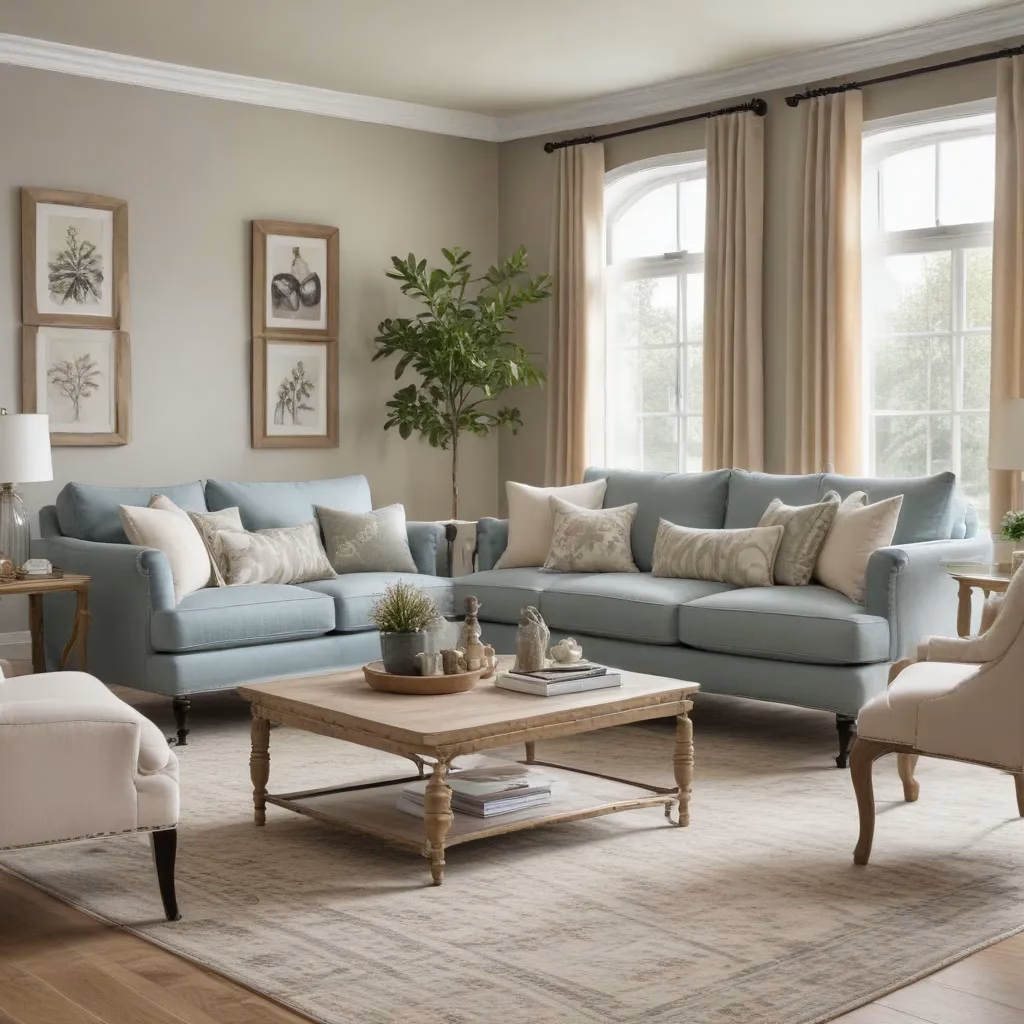
Coordinating Patterns and Colors: Once you’ve determined the primary upholstery fabric, start layering in complementary patterns and colors. Mixing solid and patterned pieces, such as a striped accent chair alongside a floral sofa, can create depth and visual interest. When choosing colors, consider a cohesive palette that incorporates both neutral and accent tones. This will double-check that your living room feels harmonious, not chaotic.
Durable and Family-Friendly Materials: If you have young children or pets, prioritize upholstery fabrics that can withstand everyday wear and tear. Microfiber and performance velvets are excellent options, as they are stain-resistant and easy to clean. Leather is another durable choice that develops a rich patina over time.
Living Room Layout Tips
The arrangement of your furniture pieces is crucial for both the aesthetic and functional flow of your living room. As you plan your layout, keep these guidelines in mind:
Room Measurements and Space Planning: Accurately measure your living room dimensions to double-check that the scale and proportions of your furniture pieces are well-suited to the space. Evaluate the room’s flow and identify any potential traffic patterns or focal points that should be highlighted.
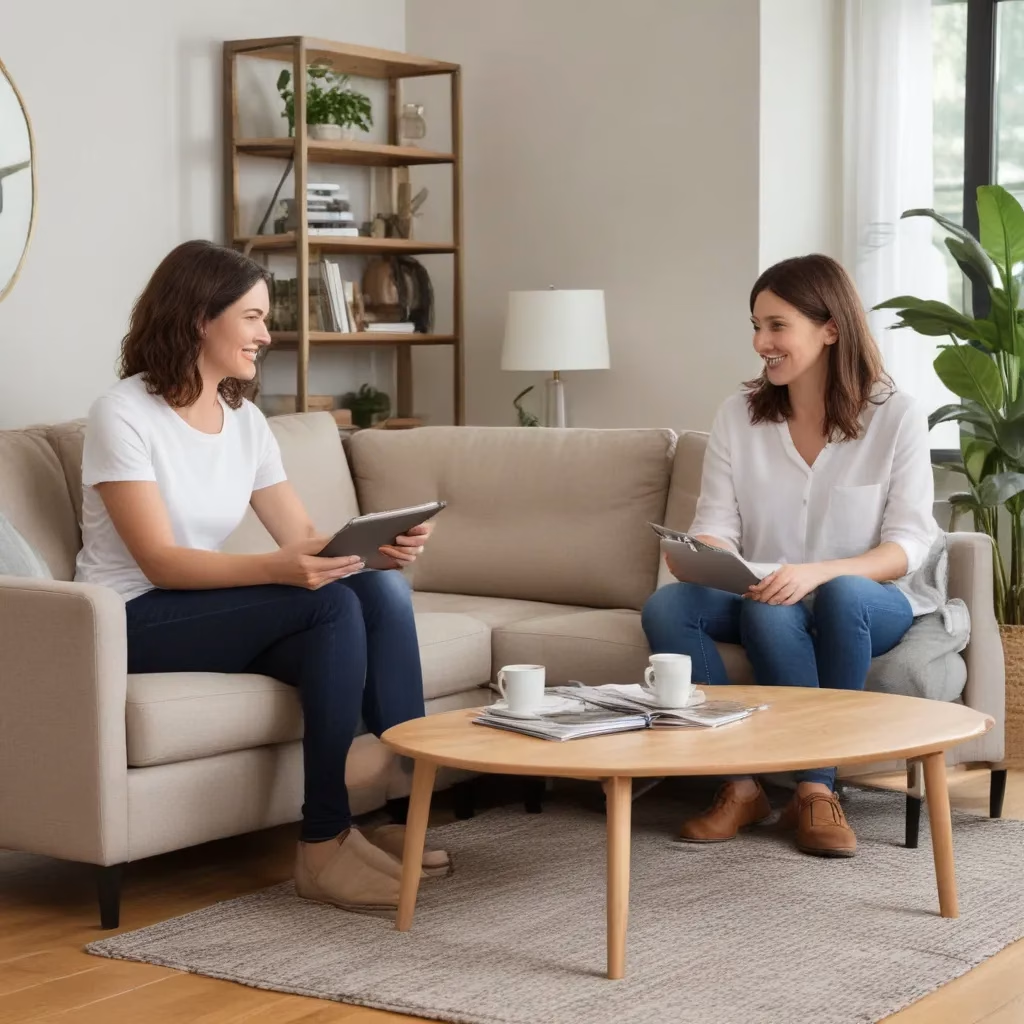
Furniture Arrangement Strategies: Group seating in a conversational arrangement, with the sofa as the central focus. Flank the sofa with accent chairs or loveseats to create an intimate setting. Position the coffee table within easy reach of the seating, and use side tables to provide additional surface space and lighting.
Balancing Form and Function: While the visual appeal of your furniture is important, don’t neglect comfort and practicality. double-check that your sofa, chairs, and other pieces offer ample back support and cushion density for relaxation. Incorporate functional elements like storage ottomans and adjustable recliners to cater to your daily needs.
Sofa as the Focal Point
As the largest and most prominent piece in the living room, the sofa sets the stage for the entire space. When selecting a new sofa, consider the following factors:
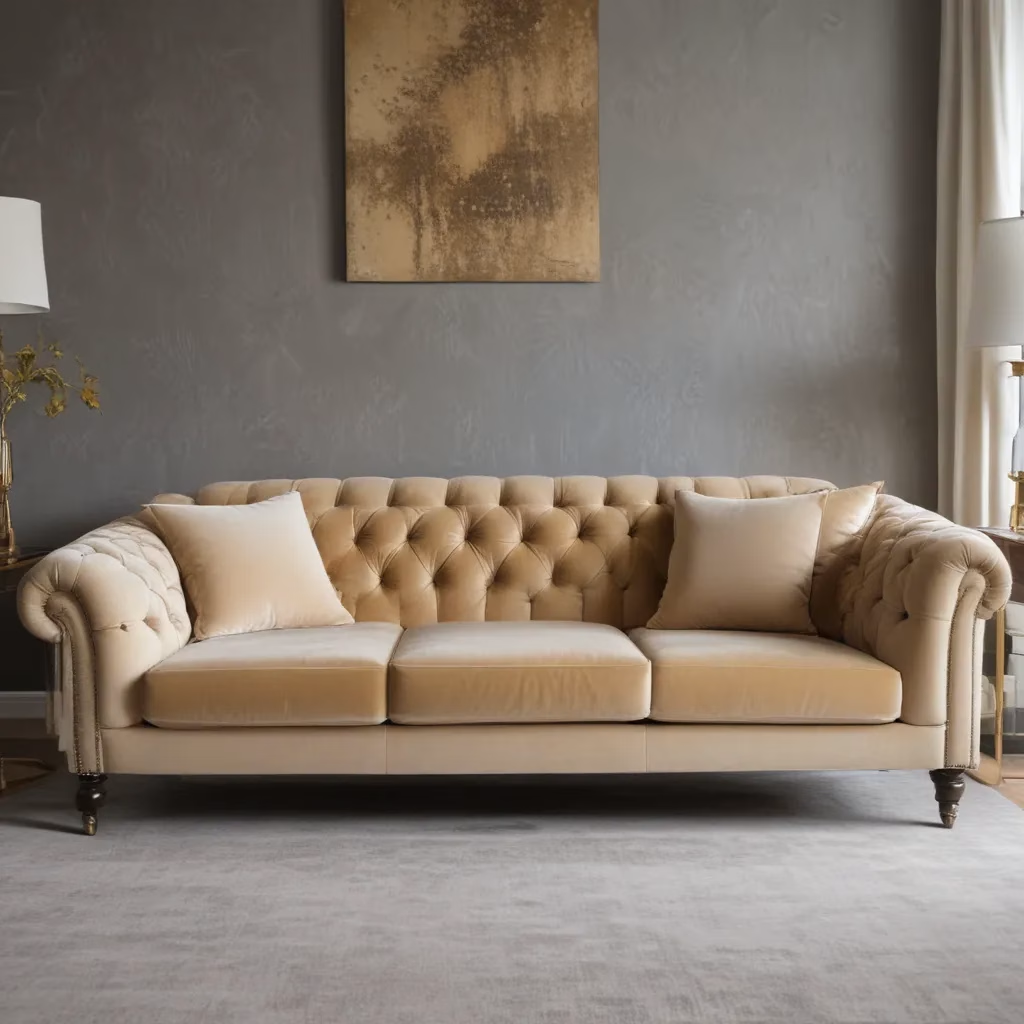
Sofa Styles and Design Elements: From classic tufted silhouettes to modern square-arm designs, there’s a wide range of sofa styles to suit any aesthetic. Evaluate the overall shape, arm style, and leg finish to double-check that it complements the rest of your furniture. Don’t be afraid to mix traditional and contemporary elements for a unique, layered look.
Sofa Sizing and Proportions: Measure your living room carefully to determine the ideal sofa size. A too-small or too-large sofa can throw off the balance of the space. Pay attention to the depth and back height to double-check that comfort and visual harmony.
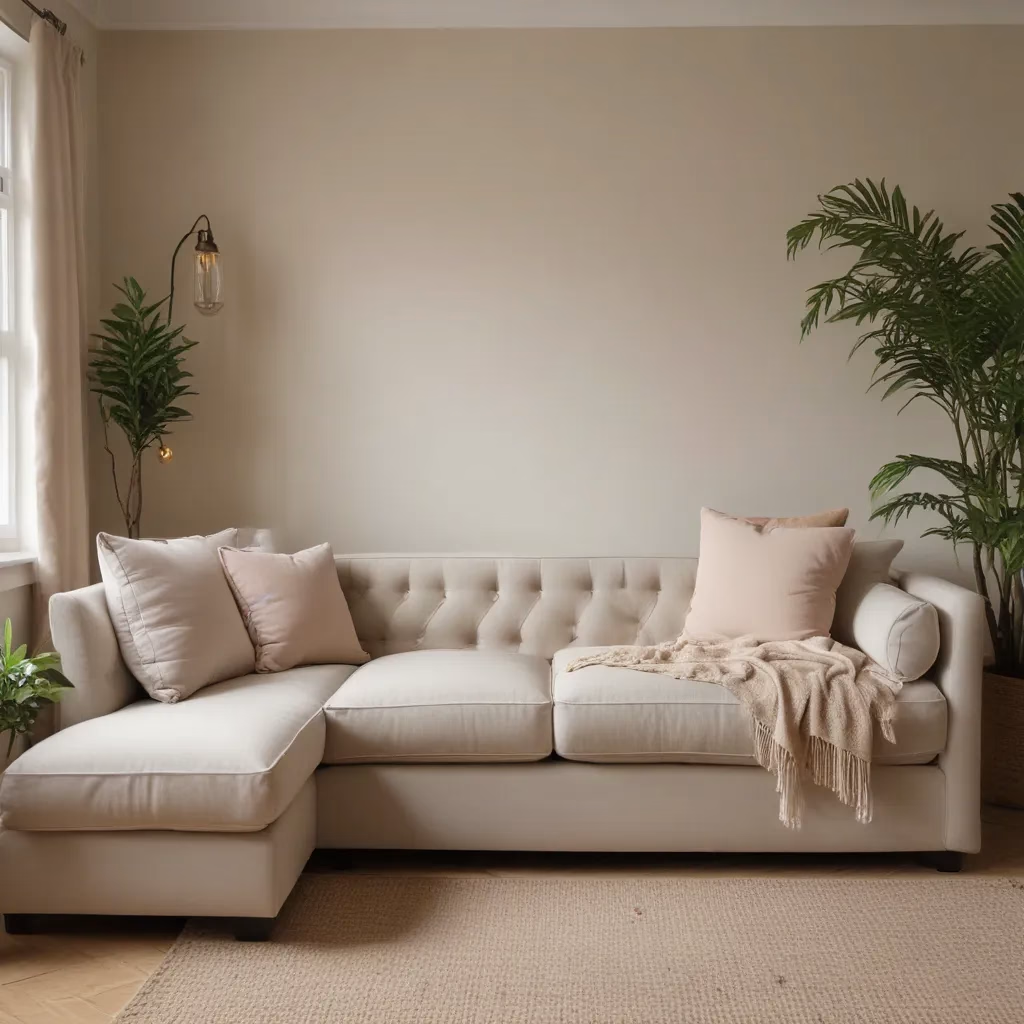
Customizing Sofa Features: Many sofa brands offer a range of fabric options, cushion fillings, and additional features (such as chaise lounges or built-in recliners) to personalize your purchase. Explore these customization options to create a sofa that truly reflects your style and meets your needs.
Caring for Upholstered Furniture
Investing in high-quality upholstered furniture is a significant commitment, so it’s essential to understand proper maintenance and care. Follow these tips to keep your living room pieces looking their best:
Cleaning and Maintenance: Regularly vacuum and spot-clean your upholstery to prevent the buildup of dirt and debris. For more stubborn stains, use a mild, water-based cleaning solution and a soft-bristle brush. Avoid harsh chemicals or machine washing, as this can damage the fabric.
Fabric Protection and Treatments: Consider applying a fabric protector to your upholstery, which can help repel spills and stains. Additionally, rotate and fluff cushions regularly to maintain their shape and loft.
Extending Sofa Lifespan: With proper care and use, your sofa can last for many years. Avoid overloading the cushions, and be mindful of how you sit and move on the furniture. If your sofa begins to show signs of wear, explore reupholstery or refurbishing options to give it new life.
Accessorizing the Living Room
Once your primary furniture pieces are in place, it’s time to layer in decorative accents that will elevate the overall look and feel of your living room. Consider the following elements:
Complementary Décor: Incorporate accent chairs and loveseats to create additional seating areas. Coffee tables and side tables provide surface space for lighting, books, and decorative objects. Carefully select rugs, artwork, and throw pillows to tie the room together visually.
Styling for Visual Interest: Mix a variety of textures (such as velvet, wood, and metal) and patterns (like stripes, florals, and geometric designs) to add depth and visual interest to the space. Arrange accessories in a balanced, artful manner to create a cohesive, lived-in look.
Furniture Buying Guide
When it’s time to make your furniture purchases, keep the following tips in mind to double-check that a smooth and successful experience:
Researching and Budgeting: Start by identifying your needs and priorities for the living room. Determine your budget and explore different furniture brands and price points to find the best fit. Don’t forget to factor in delivery and assembly costs.
Making a Purchasing Decision: Evaluate the quality and construction of the furniture, paying close attention to details like frame materials, cushion fillings, and hardware. Review the return policy and warranty information to give you peace of mind with your investment.
Coordinating Delivery and Installation: Once you’ve made your selections, work closely with the retailer to coordinate a seamless delivery and set-up process. This will double-check that your new furniture pieces are installed correctly and ready for you to enjoy.
By following these strategies for selecting, arranging, and caring for your living room furniture, you’ll be well on your way to creating a cohesive and inviting space that reflects your personal style. Remember, a little planning and attention to detail can go a long way in achieving the living room of your dreams. Happy decorating!
Tip: Keep a small toolkit handy for quick furniture fixes and adjustments