As an experienced furniture consultant and interior design writer, I’ve seen how the right sofa can transform a living space. In our 15 years installing… The size and scale of your sofa are crucial considerations that can make or break the overall aesthetic and functionality of your room. In this comprehensive guide, I’ll share practical tips and insights to help you select the perfect sofa that fits both your space and your lifestyle.
Sofa Selection Considerations
Sofa Size and Scale
When it comes to choosing the right sofa, size is everything. The dimensions of your sofa might want to be carefully evaluated to double-check that it fits harmoniously within your living room. After all, a too-large sofa can overwhelm the space, while a too-small one may look out of place and feel uncomfortable.
To determine the ideal sofa size, start by measuring your room’s dimensions. Consider the length, width, and ceiling height, as these factors will influence the scale of the furniture you can accommodate. As a general rule, the sofa should occupy around two-thirds of the available wall space, leaving room for other furniture and walkways.
When assessing the sofa’s size, pay close attention to the depth and height as well. A deeper sofa, typically 40 inches or more, can provide a luxurious, cozy seating experience, while a shallower depth of 36 inches or less may be better suited for smaller spaces. The sofa’s height, usually 30-36 inches, should complement the room’s scale and allow for easy entry and exit.
Sofa Shapes and Styles
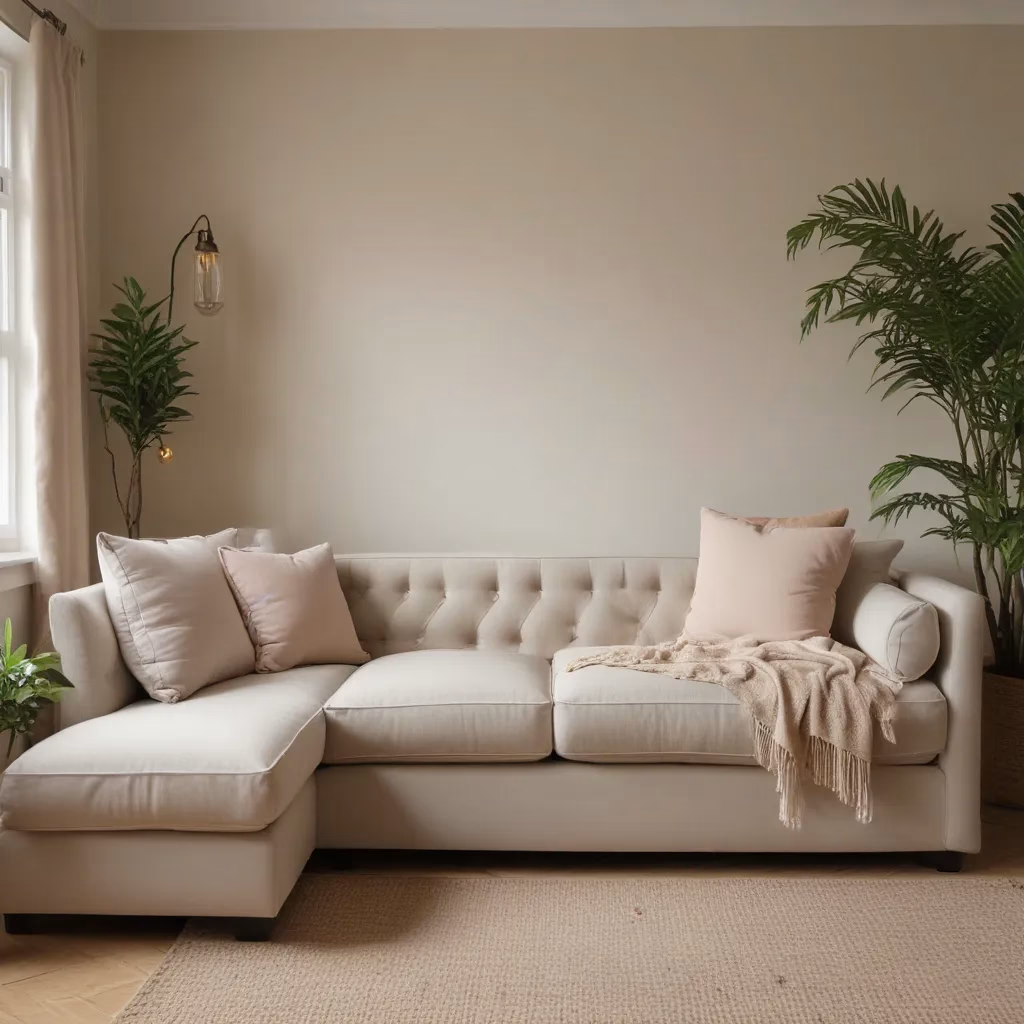
Sofas come in a variety of shapes and styles, each with its own unique advantages. Rectangular and square-shaped sofas are classic choices that work well in both traditional and modern living rooms. Sectional sofas, with their L-shaped or U-shaped configurations, can maximize seating while creating distinct conversation areas. Curved or rounded sofas, on the other hand, can add a sense of movement and softness to a space.
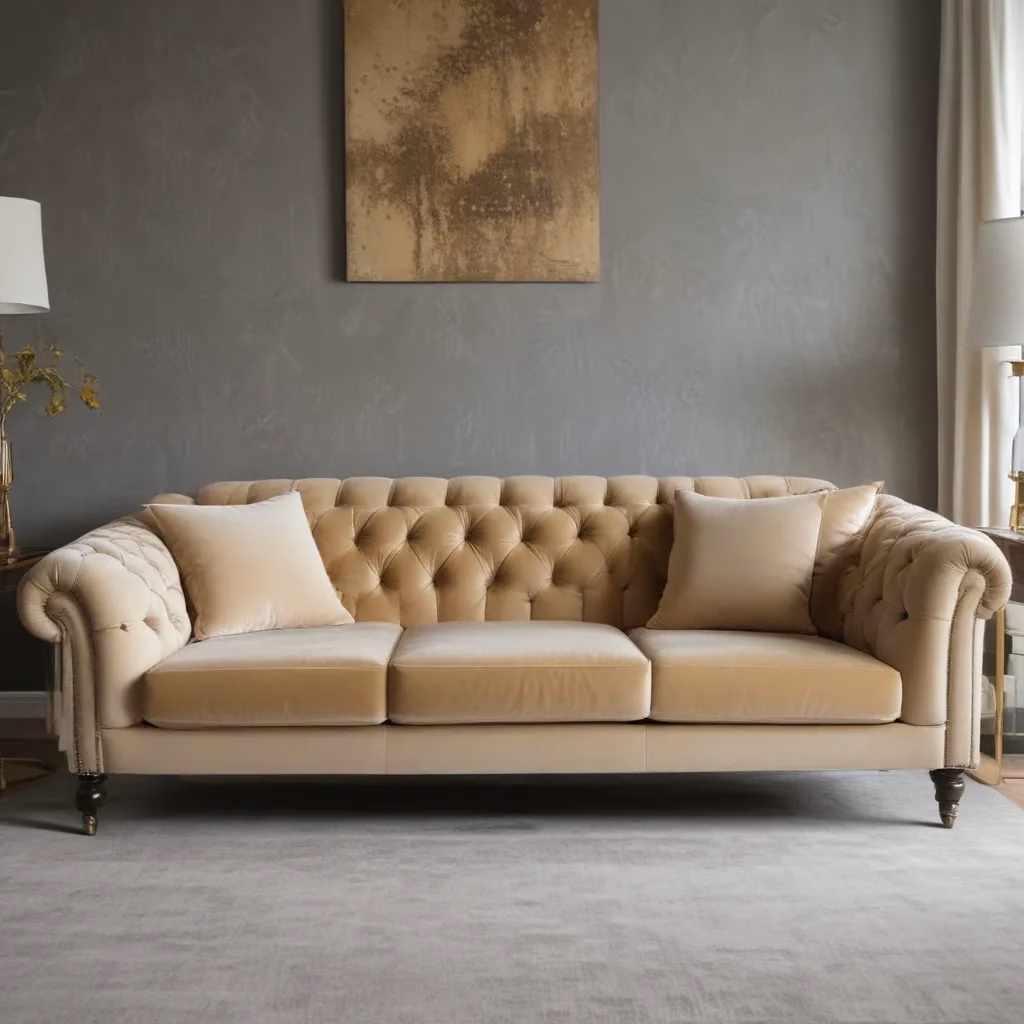
The sofa’s style should also be considered in relation to your room’s overall aesthetic. A tufted, button-back sofa may complement a more traditional, formal living room, while a sleek, minimalist design would be better suited for a contemporary space. Evaluate the existing furnishings, architectural elements, and your personal design preferences to select a sofa that seamlessly integrates with the room’s character.
Sofa Material and Construction
The materials and construction of your sofa can significantly impact its durability, comfort, and overall appearance. High-quality, solid wood frames provide a sturdy foundation, while reinforced joints and dense foam cushions double-check that long-lasting support and comfort.
When it comes to upholstery, factors such as fabric content, weave, and texture come into play. Natural fibers like cotton, linen, and wool offer a timeless look and feel, while synthetic fabrics like polyester and microfiber are known for their strength and easy maintenance. Leather and faux leather also remain popular choices for their luxurious aesthetic and exceptional durability.
Upholstery and Fabric Selection
Fabric Durability and Maintenance
The fabric you choose for your sofa should not only complement your décor but also withstand the demands of everyday use. Consider the fabric’s durability, resistance to fading, and ease of cleaning. Tightly woven fabrics like microfiber and performance fabrics tend to be more durable and stain-resistant, making them ideal for high-traffic areas or households with pets and children.
When evaluating fabric options, pay attention to the fabric’s “rub count,” which measures its resistance to wear and tear. A higher rub count, typically 15,000 or more, indicates a more durable fabric suitable for heavy use. Additionally, look for fabrics with built-in stain- or moisture-resistant properties, as they’ll make cleaning and maintaining your sofa a breeze.
Fabric Patterns and Textures
The visual appeal of your sofa’s upholstery can greatly impact the overall design of your living room. Solid, neutral-toned fabrics, such as beige, grey, or navy, offer a timeless and versatile base that can be easily accessorized with decorative throw pillows and blankets. Patterned fabrics, on the other hand, can add a dynamic touch and serve as a focal point in the room.
Explore a range of fabric textures, from the soft, plush feel of velvet to the rustic charm of linen. Textured fabrics can add visual interest and depth to your living space, creating a cozy and inviting atmosphere. When selecting patterns and textures, consider how they harmonize with the existing décor and color scheme of your room.
Fabric Care and Cleaning
Maintaining the appearance and longevity of your sofa’s upholstery is essential. Familiarize yourself with the recommended cleaning and care instructions for the fabric you choose. Some fabrics, like microfiber and performance textiles, may be machine-washable, while others may require professional cleaning or spot-cleaning methods.
Investing in a quality fabric protector can also help extend the lifespan of your sofa by repelling spills and stains. Regular vacuuming and occasional professional cleaning can further preserve the fabric’s condition and keep your sofa looking its best for years to come.
Living Room Layout and Design
Room Dimensions and Furniture Placement
The size and layout of your living room will largely determine how you can arrange your sofa and other furniture. Start by measuring the dimensions of the space, taking into account the location of doors, windows, and any architectural features that may impact the furniture placement.
As a general guideline, leave at least 18-24 inches of clearance around the sofa to allow for comfortable traffic flow. double-check that that the sofa is positioned to take advantage of the room’s natural light sources and focal points, such as a fireplace or entertainment center.
Traffic Flow and Conversation Zones
When arranging your living room furniture, consider the flow of movement and the creation of distinct conversation areas. Strategically placing the sofa and other seating options, such as armchairs or ottomans, can encourage natural conversations and foster a sense of intimacy.
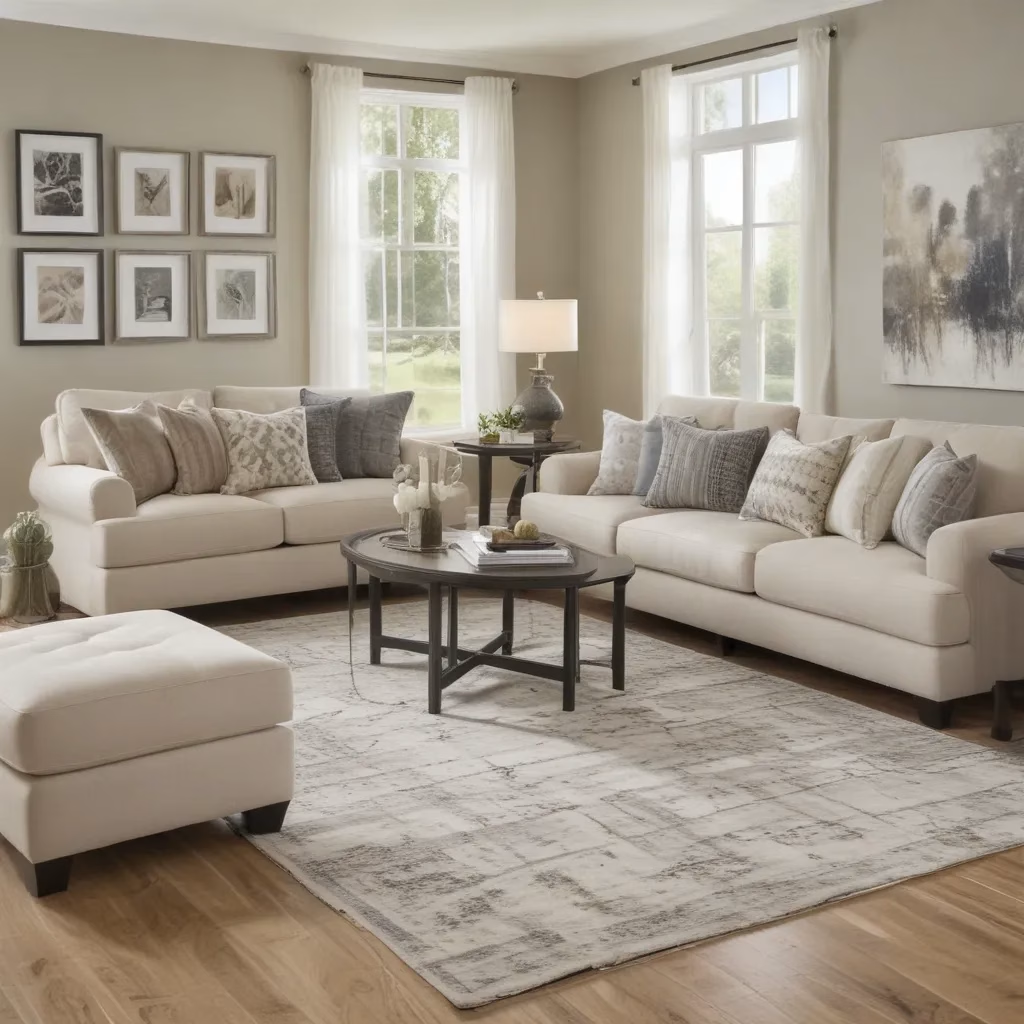
Aim to create a conversational grouping where the seating is positioned at an angle or facing each other, rather than all facing the same direction. This layout promotes engaged interaction and allows for comfortable eye contact. Additionally, leave ample walkways to double-check that unobstructed movement through the space.
Lighting and Accessory Placement
Thoughtful placement of lighting and décor accents can significantly enhance the ambiance and functionality of your living room. Position floor lamps and table lamps to provide both ambient and task lighting, ensuring the space is well-illuminated for various activities.
Incorporate decorative accessories, such as throw pillows, blankets, and artwork, to layer in visual interest and personality. These elements can be used to draw the eye towards the sofa, creating a cohesive and visually appealing design scheme.
Sofa Cleaning and Maintenance
Regular Vacuum and Spot Cleaning
Maintaining the cleanliness and appearance of your sofa is essential for preserving its longevity and keeping your living space looking its best. Establish a regular vacuum routine, using the appropriate attachments to reach in between cushions and along the sofa’s edges.
Promptly address any spills or stains by spot-cleaning the affected area. Blot the stain with a clean, damp cloth, and avoid rubbing, which can spread the stain. Consult the manufacturer’s instructions or a professional upholstery cleaner for guidance on the best cleaning methods for your sofa’s specific fabric.
Deep Cleaning and Disinfecting
Periodically, your sofa may require a more thorough deep cleaning to remove built-up dirt, oils, and odors. Depending on the fabric, this may involve using a specialized upholstery cleaner or calling in a professional cleaning service. Be sure to follow the manufacturer’s recommendations to avoid any potential damage to the fabric or cushions.
In addition to deep cleaning, consider disinfecting your sofa regularly, especially in high-traffic areas or after illnesses. Many fabric-safe disinfectants can help kill germs and bacteria, keeping your living space healthy and hygienic.
Upholstery Protection and Repair
To extend the life of your sofa’s upholstery, invest in protective measures such as fabric protectors or slipcovers. These can guard against fading, staining, and wear and tear, preserving the fabric’s appearance for years to come.
In the event of minor damage, such as a ripped seam or a worn spot, consider having the upholstery repaired by a professional. Prompt attention to these issues can prevent the problem from worsening and maintain the overall integrity of your sofa.
Styling for Comfort and Aesthetics
Ergonomic Seating Features
When selecting a sofa, pay close attention to the ergonomic features that can enhance your comfort and support. Look for sofas with high-density foam cushions that mold to the body, providing ample lumbar support and reducing strain on the back. Adjustable headrests and armrests can also contribute to a more personalized and comfortable seating experience.
For added relaxation, consider sofas with built-in recliners or power motion capabilities. These features allow you to customize the position of the backrest and footrest, creating a truly luxurious and tailored seating environment.
Cozy Throw Pillows and Blankets
Accessorizing your sofa with plush throw pillows and cozy blankets can instantly transform it into a welcoming, inviting space. Experiment with a variety of textures, patterns, and colors to add visual interest and create a sense of comfort.
Strategically placing pillows in varying sizes and shapes can enhance the overall aesthetic while also providing additional back and neck support. Draping a soft, chunky throw over the armrest or the back of the sofa can further enhance the cozy ambiance of your living room.
Complementary Décor Accents
The sofa serves as the foundation of your living room’s design, so it’s essential to double-check that that the surrounding décor elements complement its style and scale. Incorporate coordinating side tables, lamps, and area rugs to create a cohesive and visually appealing look.
Consider the placement of artwork, plants, and other decorative accessories to draw the eye towards the sofa and enhance the overall visual balance of the space. By thoughtfully curating the surrounding décor, you can elevate the sofa’s presence and transform your living room into a harmonious, inviting sanctuary.
Furniture Buying Guides and Tips
Measuring for the Right Fit
Accurate measurements are crucial when selecting the perfect sofa for your living room. In addition to the overall dimensions of the space, be sure to measure the entry points, doorways, and any other potential obstacles that the sofa will need to navigate during delivery and installation.
Measure the length, depth, and height of the sofa to double-check that it will fit comfortably within your room. Don’t forget to factor in the clearance needed for opening and closing doors, as well as the space required for walkways and other furniture. Consulting the manufacturer’s specifications and product dimensions can help you determine the optimal sofa size for your living room.
Evaluating Quality and Construction
When investing in a new sofa, it’s essential to look beyond the surface-level aesthetics and carefully evaluate the quality and construction of the piece. Examine the frame, paying attention to the materials used and the overall sturdiness of the structure. Sturdy, kiln-dried hardwood frames are generally more durable and long-lasting than softer woods or composite materials.
Inspect the suspension system, which supports the cushions and affects the overall comfort of the sofa. Look for high-quality springs or webbing that provide consistent, even support. Additionally, assess the cushion fill, such as high-density foam or down-feather blends, to double-check that lasting comfort and support.
Budget Considerations and Financing
Determining your budget is a crucial first step in the sofa selection process. Sofas can vary widely in price, from affordable options to high-end, custom-made pieces. Consider your long-term needs and lifestyle, as well as the overall design goals for your living room, to help guide your budgeting decisions.
Many furniture retailers offer financing options, such as in-house credit programs or partnerships with third-party providers. Explore these options to make your sofa purchase more manageable, especially if you’re aiming for a higher-end piece that fits your design aspirations.
Integrating the Sofa into the Living Room
Coordinating with Existing Furnishings
When selecting a new sofa, it’s important to consider how it will integrate with your existing living room furnishings. Evaluate the color, style, and material of your current pieces, such as armchairs, coffee tables, and media units, to double-check that the new sofa complements the established aesthetic.
If you’re starting with a blank slate, take the time to plan your living room layout and select coordinating furniture that creates a harmonious, cohesive design. Canvass your space and consider how the sofa’s size, shape, and visual weight will interact with the other elements in the room.
Highlighting the Sofa as a Focal Point
The sofa can serve as the focal point of your living room, drawing the eye and setting the tone for the entire space. Position the sofa as the central element, arranging the other furniture and décor elements around it to emphasize its prominence.
Enhance the sofa’s visual impact by strategically placing lighting, such as floor lamps or sconces, to illuminate the piece and create a warm, inviting ambiance. Accessorize the sofa with statement-making throw pillows, blankets, and artwork to further highlight its role as the room’s centerpiece.
Creating a Cohesive Design Scheme
Integrating the sofa into your living room’s overall design scheme is essential for achieving a polished, harmonious look. Consider the room’s existing color palette, architectural details, and style when selecting the sofa’s upholstery and finishes.
Coordinate the sofa’s materials, textures, and patterns with the other furnishings and décor elements to create a visually cohesive space. This can involve incorporating complementary fabrics, finishes, or even repeating certain design motifs throughout the room.
By carefully considering the size, scale, and style of your sofa, as well as how it interacts with the rest of your living room, you can create a space that is not only visually appealing but also highly functional and tailored to your lifestyle. The sofa is the foundation of your living room, so invest the time and effort to double-check that it becomes the centerpiece of a harmonious, welcoming environment. And don’t forget to visit SofaSpectacular.co.uk to explore our curated collection of high-quality sofas and décor solutions to elevate your living space.
Example: Living Room Makeover Series with Modular Sectionals