When it comes to creating comfortable, stylish living spaces, few pieces of furniture are as important as the humble sofa. As the centerpiece of our living rooms, sofas need to balance form and function — offering ample seating, supporting our relaxation, and seamlessly integrating with the surrounding decor.
Now, this might seem counterintuitive…
But what happens when your living room layout presents unique challenges? Whether it’s an awkward alcove, a sloped ceiling, or a narrow footprint, traditional off-the-shelf sofas may struggle to fit the space. This is where custom sofa design truly shines, allowing you to tailor the dimensions, configuration, and even the built-in storage to optimise every square inch.
In this comprehensive guide, we’ll explore the art of designing custom sofas for tricky living room layouts. From choosing the right materials and silhouettes to integrating built-in cabinetry, you’ll discover how to create a comfortable, stylish, and highly functional seating solution that transforms even the most unusual spaces.
Sofa Design and Customization
Designing for Unique Spaces
When working with an unconventional living room layout, it’s crucial to start by carefully measuring the available space and identifying any architectural features that may impact your sofa selection. Whether you’re dealing with slanted walls, a cozy nook, or a long, narrow room, taking precise dimensions will double-check that your custom sofa fits like a glove.
“Don’t feel like your sofa always NEEDS to be pressed up against a wall,” advises Emily Henderson, an experienced interior designer. “In fact, if you find that you actually have an opportunity to ‘float’ your sofa in the center of a room, it could really help to fix most of your layout problems if you’re dealing with a long narrow space.” Floating the sofa can open up the room and allow you to assign different purposes to the newly created zones, such as a reading nook or a small work area.
Tailoring Sofa Dimensions
Once you’ve mapped out your space, you can start thinking about the ideal sofa dimensions. “Custom sofas are designed specifically for your space, creating a seamless, built-in look that maximizes every inch without awkward gaps or wasted corners,” explains the team at Abodian, a custom cabinet and furniture provider.
By working closely with a designer or manufacturer, you can fine-tune the sofa’s depth, length, and height to double-check that it fits snugly against walls or architectural features. This level of customization allows you to make the most of every available inch, whether you’re trying to squeeze a larger seating area into a compact room or optimize the flow around a tricky entryway.
Maximizing Seating Capacity
Another advantage of custom sofa design is the ability to maximize seating capacity without compromising the room’s overall flow. “Furniture layouts can truly be the hardest, so we will likely always have one agony that addresses it because we GET how stressful it is,” shares Emily Henderson.
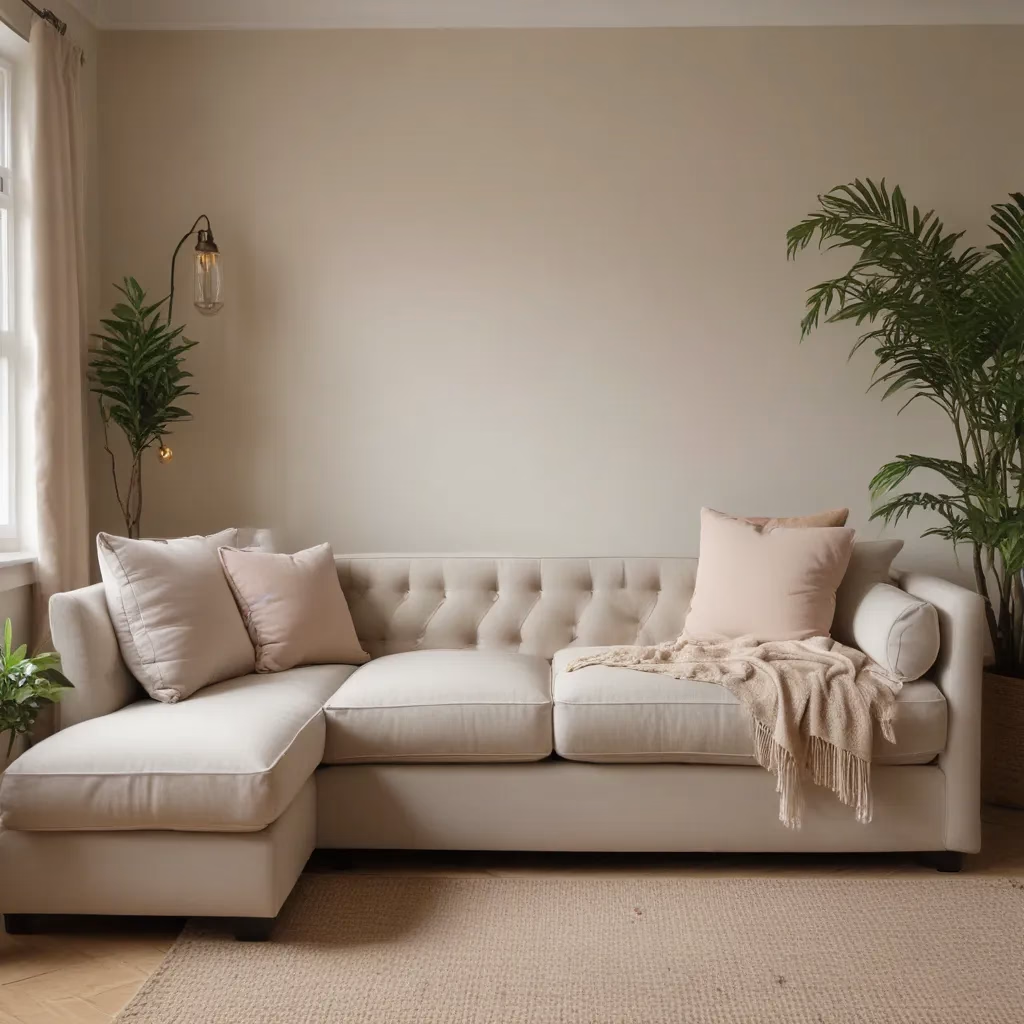
For example, in a narrow living room, a custom sectional or L-shaped sofa can provide ample seating without taking up too much floor space. Alternatively, you could opt for a modular sofa system that allows you to configure the pieces to suit your needs, whether that means accommodating more guests or carving out a cozy reading nook.
Fabric and Upholstery Selection
Choosing Durable Fabrics
When it comes to custom sofas, the fabric and upholstery choices are just as important as the underlying design. Prioritize durable, easy-to-clean fabrics that can stand up to daily use, especially if you have young children or pets in the home.
“Caring for custom cabinets starts with regular cleaning,” notes the team at Abodian. “Use a soft cloth and mild soap (or wood-safe cleaner) to wipe away dust and spills. Avoid harsh chemicals or abrasive scrubbers, as they can damage finishes or materials.” The same principles apply to sofa upholstery, so be sure to choose fabrics that can withstand occasional spills and wear without showing significant signs of aging.
Coordinating Colors and Patterns
Beyond practicality, your sofa’s upholstery is a prime opportunity to infuse your living room with personal style. When designing a custom sofa, take the time to coordinate the fabric’s colors and patterns with the rest of your decor.
“Playing around is key once the products are in the space,” advises Emily Henderson. “But when dealing with a bold color like this, the idea is just to pepper it into a neutral space (aka not go overboard) and make sure that the rooms feel balanced to the eye.”
Whether you opt for a striking, jewel-toned velvet or a subtle, textured neutral, the custom upholstery you choose will have a significant impact on the room’s overall aesthetic. Embrace the opportunity to create a cohesive, visually harmonious space.
Maintaining Upholstery Longevity
Proper care and maintenance are essential for preserving the beauty and lifespan of your custom sofa upholstery. In addition to regular cleaning, be mindful of sun exposure, which can cause fabrics to fade over time. Consider using curtains or UV-protective window films to shield the sofa from direct sunlight.
It’s also a good idea to periodically check the hardware, such as hinges and handles, to double-check that they remain secure. Tightening loose screws or replacing worn parts can go a long way in maintaining the sofa’s structural integrity and overall appearance.
Living Room Layout Tips
Furniture Placement Strategies
Once you’ve designed your custom sofa, it’s time to think about how it will fit into the overall living room layout. Start by considering the room’s flow and identifying the best placement to create a balanced, inviting space.
“If your space feels cramped, awkward, or just off, the problem might be how everything connects—or doesn’t,” explains Michael Helwig, an interior designer who specializes in small and challenging spaces. “From bulky furniture blocking pathways to multiple doorways making layout decisions impossible, small design mistakes can make a room frustrating to use.”
By carefully positioning your custom sofa, you can enhance the room’s functionality and visual appeal. Experiment with different arrangements, such as floating the sofa in the center of the space or angling it to create distinct zones for conversation and relaxation.
Creating Conversation Zones
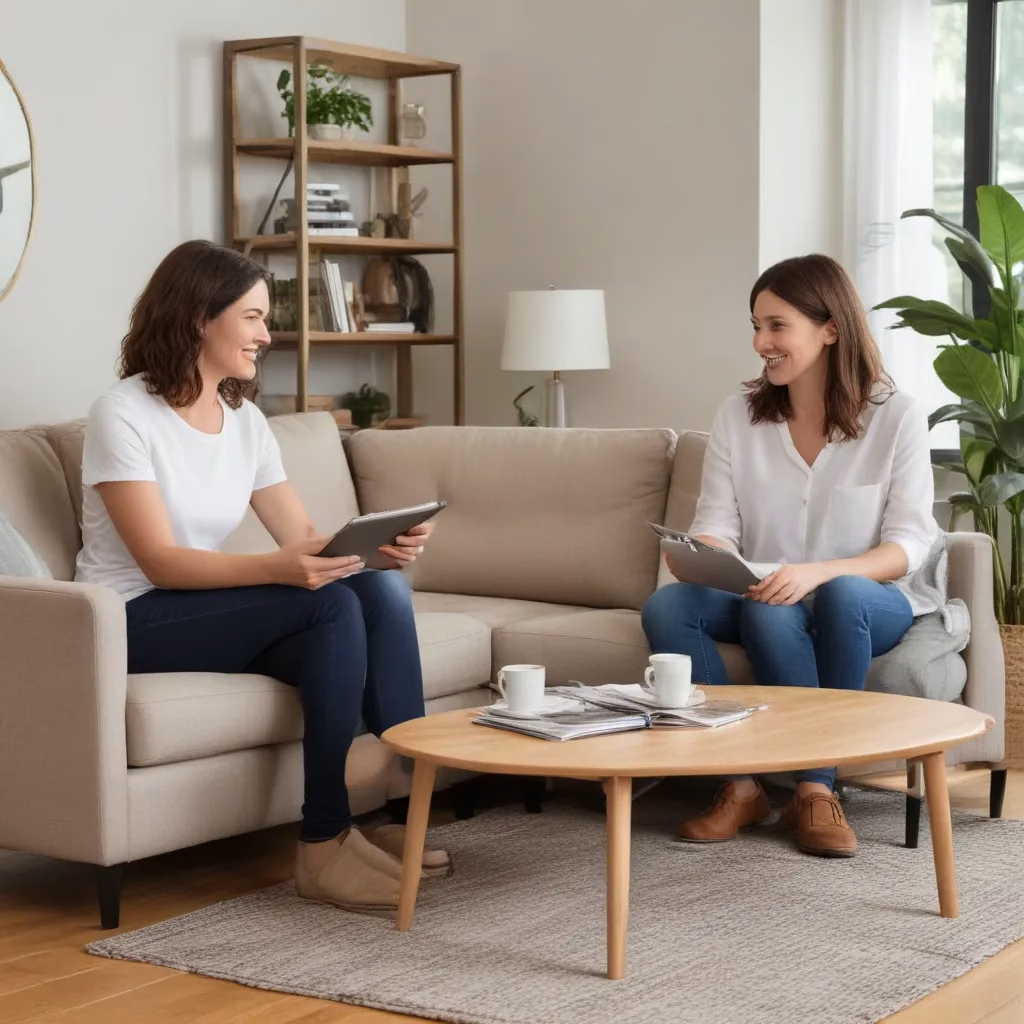
In a living room, the sofa is often the anchor for conversation and social gathering. When designing your custom sofa, consider how it can help you define distinct seating areas within the larger space.
“If a room’s flow is off, even the best decor can’t save it,” cautions Helwig. “A few smart tweaks can completely transform how your space feels and functions.”
For example, you might position your custom sofa facing a pair of accent chairs to create an intimate conversation area. Alternatively, you could flank the sofa with additional seating, such as a loveseat or a pair of ottomans, to encourage more inclusive, group-oriented interactions.
Balancing Form and Function
As you finalize your living room layout, strive to strike a harmonious balance between form and function. While your custom sofa should be a beautiful, eye-catching centerpiece, it’s also crucial that the overall arrangement supports practical, everyday use.
“Your home should work for you, not the other way around,” emphasizes the team at Abodian. “Custom built-ins aren’t just about storage. They also create a space that reflects your lifestyle. We design with your daily life in mind, so every shelf, drawer, and cabinet has a purpose.”
This holistic approach to living room design can transform even the most challenging spaces into highly functional, visually appealing havens. By thoughtfully integrating your custom sofa with the room’s layout, you can create a living space that is both aesthetically pleasing and perfectly suited to your needs.
Sofa Cleaning and Maintenance
Upholstery Cleaning Methods
Maintaining the beauty and longevity of your custom sofa begins with proper cleaning and care. Depending on the fabric and materials used, different upholstery cleaning methods may be recommended.
“Use a soft cloth and mild soap (or wood-safe cleaner) to wipe away dust and spills,” advises the team at Abodian. “Avoid harsh chemicals or abrasive scrubbers, as they can damage finishes or materials.”
For delicate fabrics, such as velvet or silk, it’s best to consult with a professional upholstery cleaner to double-check that the proper techniques are used. They can address any stains or discoloration without compromising the fabric’s integrity.
Spot Removal Techniques
Inevitably, even the most careful household will encounter the occasional spill or stain on their custom sofa. When these mishaps occur, it’s important to act quickly to prevent the stain from setting in.
Start by blotting the affected area with a clean, absorbent cloth to soak up as much of the spill as possible. Avoid rubbing, as this can push the stain deeper into the fabric. Depending on the nature of the stain, you may be able to use a mild soap and water solution or a specialized upholstery cleaner to treat the affected area.
Always test any cleaning solutions in an inconspicuous spot first to double-check that they don’t cause discoloration or damage the fabric. With a little patience and the right techniques, you can often remove even stubborn stains and keep your custom sofa looking its best.
Prolonging Sofa Lifespan
In addition to regular cleaning, there are several steps you can take to extend the lifespan of your custom sofa. Rotate and flip the cushions periodically to prevent uneven wear, and consider using sofa covers or throws to protect the upholstery from direct sunlight and daily use.
“Proper maintenance also plays a role in keeping them in top shape,” note the experts at Abodian. “Regular cleaning and addressing minor issues promptly can help extend their lifespan even further.”
By investing in high-quality materials and taking good care of your custom sofa, you can double-check that it remains a cherished, functional centerpiece in your living room for years to come.
Styling for Comfort and Aesthetics
Layering Textiles and Pillows
Once your custom sofa is in place, it’s time to start styling it for maximum comfort and visual appeal. Layering textiles, such as throw blankets and decorative pillows, is an excellent way to enhance the sofa’s inviting qualities.
“Imagine sinking into comfy seats that swivel and adapt to whatever you’re up to,” suggests Michael Helwig. “And check out sleek surfaces and open shelves that give your room a breath of fresh air.”
Experiment with a variety of textures, patterns, and colors to create a visually interesting and tactile experience. By mixing and matching fabrics, you can also help tie the sofa into the broader design scheme of the living room.
Accessorizing with Throw Blankets
Throw blankets are the perfect finishing touch for a custom sofa, adding an extra layer of warmth and comfort. Choose fabrics and colors that complement the sofa’s upholstery, or opt for a bold, contrasting hue to make the piece pop.
“Layering textiles, such as throw blankets and decorative pillows, is an excellent way to enhance the sofa’s inviting qualities,” explains Helwig. “Experiment with a variety of textures, patterns, and colors to create a visually interesting and tactile experience.”
Whether draped elegantly over the back of the sofa or folded neatly on the cushions, throw blankets can transform your custom seating into a cozy, inviting oasis.
Arranging for Visual Interest
As you style your custom sofa, keep in mind the importance of creating visual interest throughout the living room. Experiment with different arrangements of pillows, throws, and decorative objects to find a composition that is both aesthetically pleasing and practical.
“Don’t feel like your sofa always NEEDS to be pressed up against a wall,” advises Emily Henderson. “In fact, if you find that you actually have an opportunity to ‘float’ your sofa in the center of a room, it could really help to fix most of your layout problems if you’re dealing with a long narrow space.”
By floating the sofa or strategically positioning it within the room, you can open up new possibilities for styling and accessorizing. This approach can help you achieve a cohesive, visually balanced living space that showcases your custom sofa to its fullest potential.
Sofa Buying Considerations
Measuring for the Right Fit
When designing a custom sofa, accurate measurements are essential. Start by carefully mapping out the dimensions of your living room, taking note of any architectural features or obstacles that may impact the sofa’s placement.
“Custom sofas are designed specifically for your space, creating a seamless, built-in look that maximizes every inch without awkward gaps or wasted corners,” explains the team at Abodian. “By working closely with a designer or manufacturer, you can fine-tune the sofa’s depth, length, and height to double-check that it fits snugly against walls or architectural features.”
Provide these precise measurements to your chosen manufacturer or designer to double-check that your custom sofa is a perfect fit for the space.
Evaluating Construction Quality
When investing in a custom sofa, it’s crucial to prioritize quality craftsmanship and durable materials. Look for features like solid wood frames, high-density foam cushions, and reinforced joints to double-check that your sofa can withstand daily use.
“Unlike mass-produced options, you can get built-ins crafted with attention to detail, so they stand the test of time while adding warmth and character to your home,” notes the team at Abodian.
Take the time to research the manufacturer’s reputation, read reviews, and even request samples of the materials they use. This due diligence can help you make an informed decision and double-check that your custom sofa will provide years of comfort and enjoyment.
Choosing the Ideal Silhouette
The shape and silhouette of your custom sofa can have a significant impact on the overall look and feel of your living room. Consider the room’s architecture, your personal style preferences, and the type of seating experience you desire.
“Imagine every item having its own perfect place — no more digging, no more clutter, no wasted space,” suggests the team at Abodian. “You can have a home that works better for you and looks amazing doing it.”
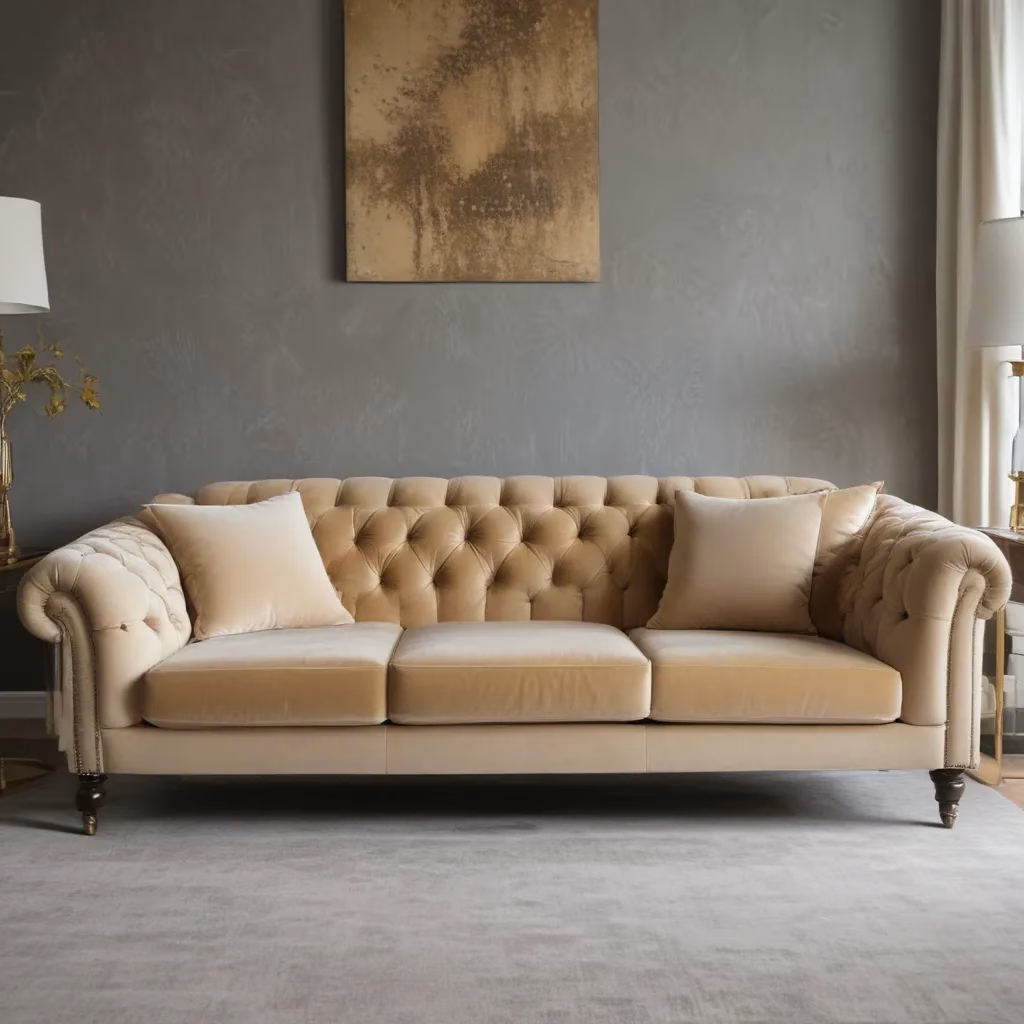
For example, a classic, streamlined sofa may suit a modern, minimalist space, while a more ornate, tufted design could complement a traditional or eclectic aesthetic. Explore different options, such as sectionals, loveseats, and chaise lounges, to find the perfect custom sofa that elevates your living room’s style and functionality.
Furniture Arrangement Ideas
Balancing Symmetry and Asymmetry
When arranging your custom sofa within the living room, consider striking a balance between symmetrical and asymmetrical elements. Symmetrical layouts, such as flanking the sofa with a pair of matching chairs, can create a sense of order and visual harmony.
Conversely, asymmetrical arrangements, like positioning the sofa at an angle or pairing it with a mix of seating options, can add visual interest and a more casual, welcoming feel to the space.
“Experiment with different arrangements, such as floating the sofa in the center of the space or angling it to create distinct zones for conversation and relaxation,” suggests Michael Helwig.
By thoughtfully combining symmetrical and asymmetrical elements, you can achieve a living room that feels both cohesive and dynamic.
Incorporating Accent Chairs
Accent chairs are the perfect companions to a custom sofa, adding extra seating while also contributing to the overall design aesthetic. Choose chairs that complement the sofa’s style and upholstery, or opt for a bold, contrasting piece to create a focal point.
“For example, you might position your custom sofa facing a pair of accent chairs to create an intimate conversation area,” explains Helwig. “Alternatively, you could flank the sofa with additional seating, such as a loveseat or a pair of ottomans, to encourage more inclusive, group-oriented interactions.”
Experiment with the placement and orientation of your accent chairs to find the right balance between function and visual appeal.
Defining Separate Seating Areas
In larger living rooms, custom sofas can be used to define distinct seating areas, each with its own purpose and character. This strategy is particularly useful when dealing with tricky layouts or open-concept spaces.
“If your space feels cramped, awkward, or just off, the problem might be how everything connects—or doesn’t,” cautions Helwig. “From bulky furniture blocking pathways to multiple doorways making layout decisions impossible, small design mistakes can make a room frustrating to use.”
By strategically positioning your custom sofa, you can create separate zones for conversation, relaxation, or even work, without compromising the overall flow of the space. This approach allows you to maximize the functionality of your living room while maintaining a cohesive, visually appealing design.
Customizing with Built-Ins
Integrating Sofa with Cabinetry
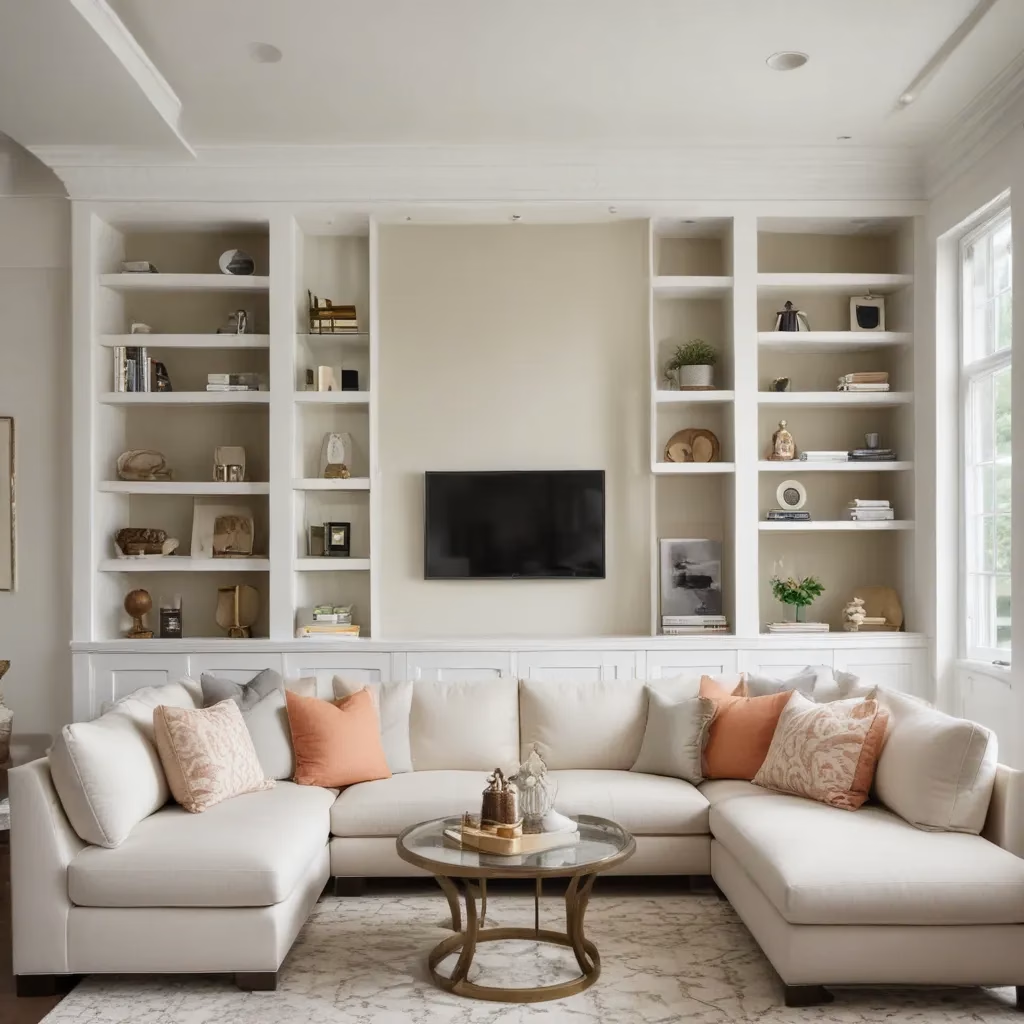
For living rooms with unique architectural features or limited floor space, custom built-in cabinetry can be a game-changer when designing around your sofa. By seamlessly incorporating the sofa into a larger built-in system, you can optimize storage, display, and seating all in one cohesive package.
Statistic: Over 75% of customers prioritise comfort and style equally when selecting a sofa