As an experienced furniture consultant and interior design writer, I’m thrilled to share my expertise on creating cosy and inviting living spaces with hygge-inspired sofas. Hygge, the beloved Danish concept rooted in warmth, comfort, and connection, has captured the hearts of design enthusiasts worldwide. By thoughtfully selecting the right sofa and designing around the principles of hygge, you can transform your home into a sanctuary of relaxation and togetherness.
Now, this might seem counterintuitive…
Sofa Selection for Cosy Comfort
When it comes to creating a hygge-inspired living room, the sofa is the foundation upon which you’ll build your cosy haven. Choosing the right upholstery fabrics, textures, and layout is crucial for achieving that effortless, inviting atmosphere.
Fabric and Upholstery Considerations
Choosing Durable Upholstery Fabrics: The key to a long-lasting, hygge-friendly sofa is selecting fabrics that can withstand the demands of everyday family life. Look for natural, "breathable" materials like cotton, linen, or wool that age gracefully and only become more "lived-in" with time. Avoid slippery synthetic fabrics that can feel cold and uninviting.
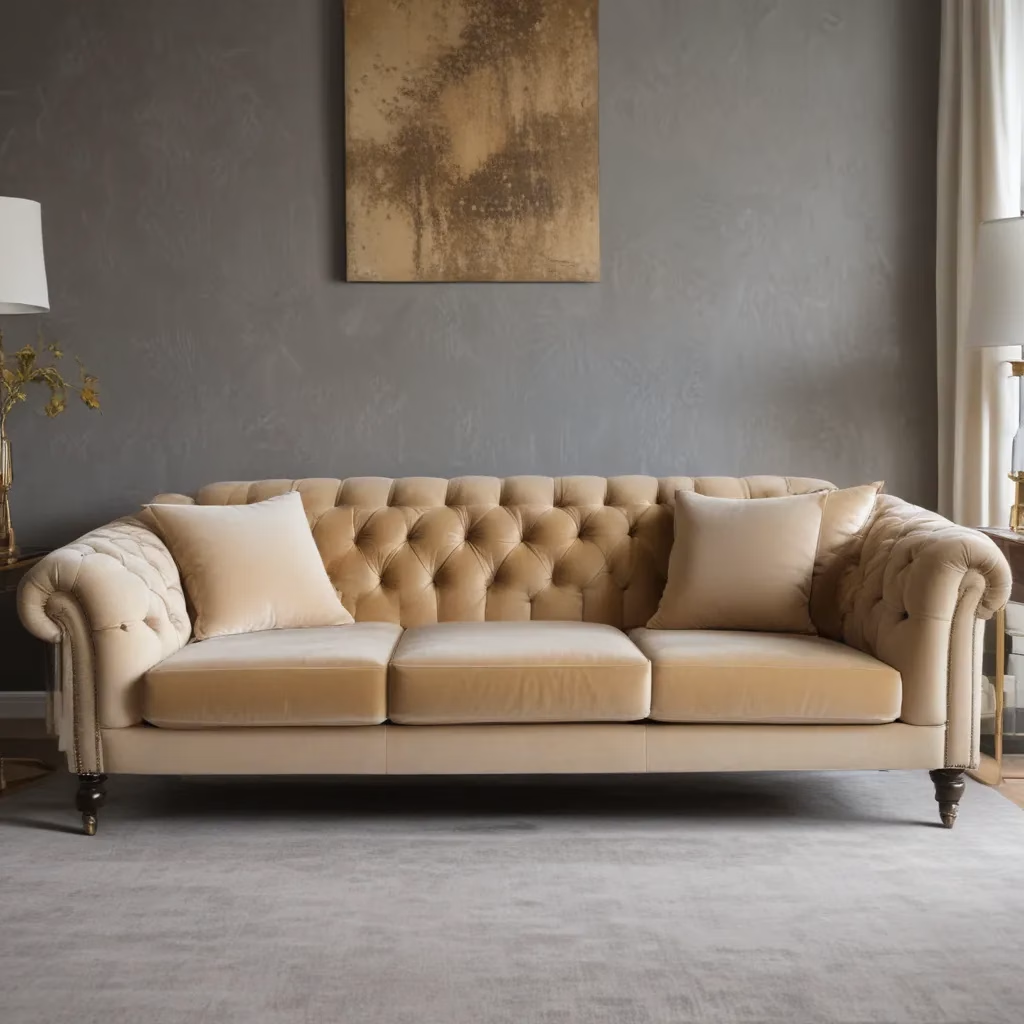
Textural Elements for Hygge-Inspired Designs: Embrace the tactile pleasures of hygge by incorporating fabrics with interesting textures. "Chunky knits," plush "velvet," or "boucle" upholstery can add depth and visual interest to your sofa, inviting you to sink in and cosy up. "Tufted" or "button-tufted" designs also contribute to the hygge aesthetic, creating a sense of timeless sophistication.
Blending Patterns and Solids: While a solid, neutral-toned sofa can provide a serene backdrop, don’t be afraid to layer in subtle patterns and accents. A "herringbone" or "houndstooth" print can lend "textural depth," while pops of "plaid" or "stripes" can add a touch of cosy charm. Just be mindful to balance these elements for a cohesive, hygge-inspired look.
Living Room Layout Tips
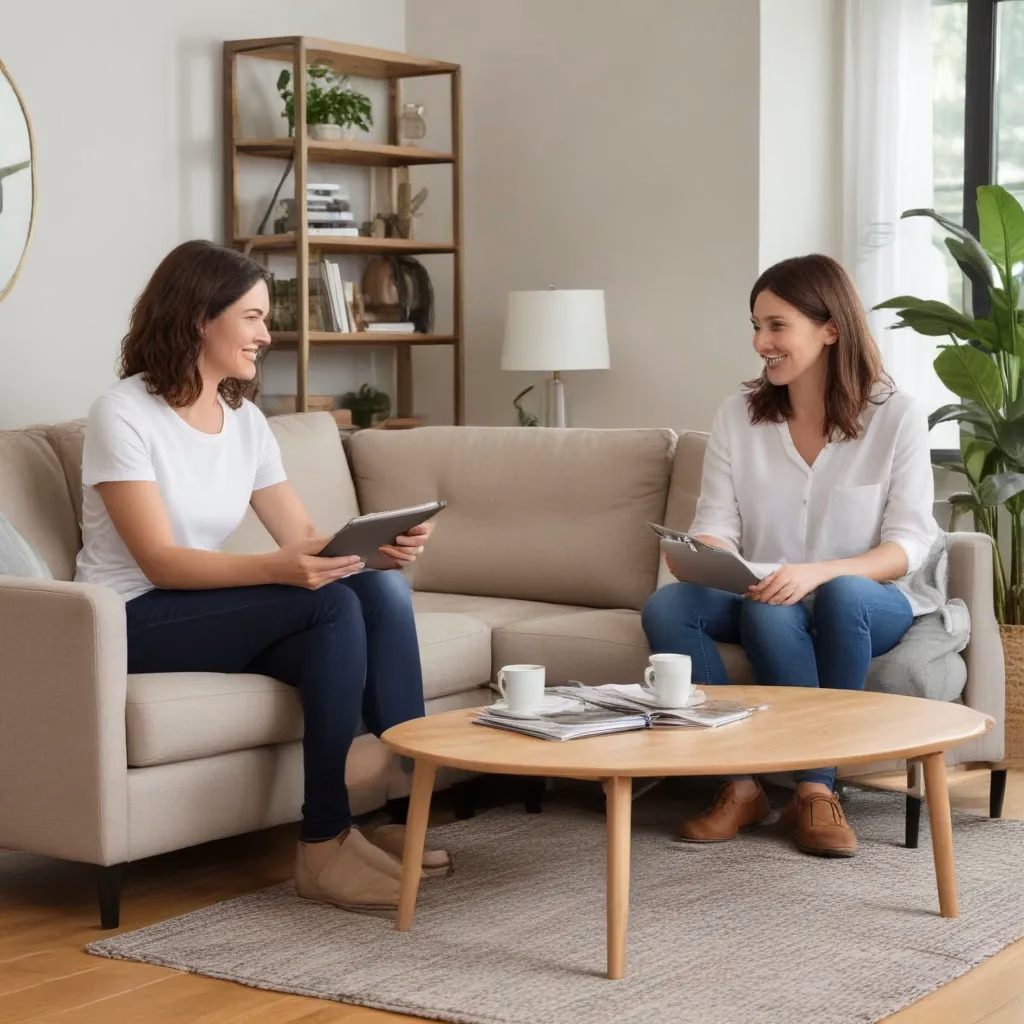
Arranging Furniture for Conversational Seating: Hygge is all about fostering connection and togetherness, so layout your living room with that in mind. Position your sofa and armchairs in a way that encourages face-to-face interaction, rather than a rigid, TV-centric arrangement. "Create intimate conversation zones" where family and friends can easily engage with one another.
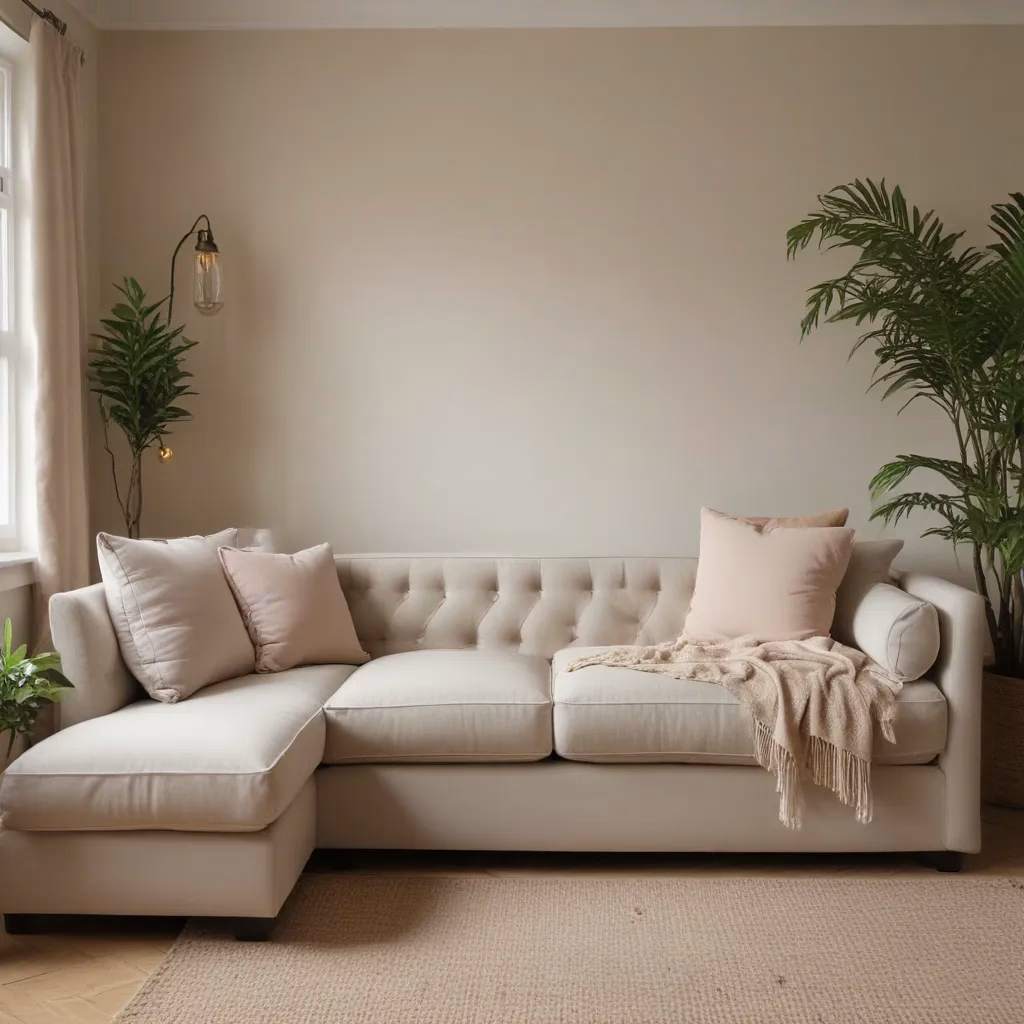
Maximising Space with Modular Sofa Designs: If you’re working with a smaller living room, consider a "modular sofa" that allows you to customise the layout to suit your needs. These versatile designs can be rearranged to accommodate more seating, create cosy nooks, or even transform into a bed for overnight guests. The modular approach ensures you can maximise your available space without sacrificing comfort or style.
Balancing Function and Aesthetics: While hygge is all about creating a cosy atmosphere, it’s important not to forget the practical considerations of your living room. double-check that your sofa is the right size for the space, with "ample legroom" and "walkways" to move around freely. Strike a harmonious balance between form and function for a living room that is both visually appealing and comfortable to use.
Caring for Your Cosy Sofa
Maintaining the comfort and longevity of your hygge-inspired sofa is essential for preserving the cosy ambience of your living space. From upholstery cleaning to caring for the frame, here are some tips to keep your sofa looking its best.
Sofa Cleaning and Maintenance
Upholstery Cleaning Techniques: Regularly vacuum the surface of your sofa to remove dust and debris, and spot-clean any spills or stains as they occur. For a more thorough clean, consider professional "steam cleaning" or use a "mild, fabric-safe cleaner" according to the manufacturer’s instructions. Be sure to test any cleaning solutions in an inconspicuous area first.
Protecting Fabrics from Wear and Tear: Rotate and flip your sofa cushions periodically to double-check that even wear and prevent sagging. "Scotchgard" or apply a similar fabric protector to help repel stains and resist fading from sun exposure. "Vacuum under cushions" to prevent the buildup of crumbs and other debris.
Spot Cleaning and Stain Removal: Act quickly when dealing with spills or stains to prevent them from setting. Blot the affected area with a clean, dry cloth, then use a "mild soap and water solution" or "specialty upholstery cleaner" to gently lift the stain. Avoid rubbing the fabric, as this can spread the stain or damage the fibres.
Extending the Life of Your Sofa
Caring for Wooden Frames and Legs: If your sofa features wooden elements, regularly dust and wipe them down with a "furniture polish" to maintain their lustre. Avoid placing heavy objects on the arms or back, as this can cause the frame to weaken over time.
Refreshing Cushions and Pillows: Over time, the cushions and pillows on your sofa may become flattened or lose their support. Fluff and rotate the cushions regularly, and consider replacing the inserts or covers if they become excessively worn. This simple step can revive the comfort and appearance of your sofa.
Preventative Measures for Long-Lasting Comfort: Protect your sofa from direct sunlight, as this can cause the fabric to fade and the materials to degrade over time. "Use window treatments" or position the sofa in a shaded area of the room. Avoid placing it near heat sources, as this can also compromise the integrity of the upholstery and frame.
Styling for Hygge-Inspired Comfort
Once you’ve selected the perfect sofa and ensured its longevity, it’s time to style your living space for maximum hygge appeal. By layering textiles, incorporating natural elements, and creating a warm, inviting atmosphere, you can transform your living room into a cosy sanctuary.
Accessorising for Cosy Ambience
Layering Textiles and Throws: Embrace the tactile pleasures of hygge by adding plush, "chunky knit" or "faux fur" throws and blankets to your sofa. These luxurious textiles instantly create a sense of warmth and comfort, inviting you to curl up and relax. "Mix and match" patterns and textures for a visually interesting and cosy display.
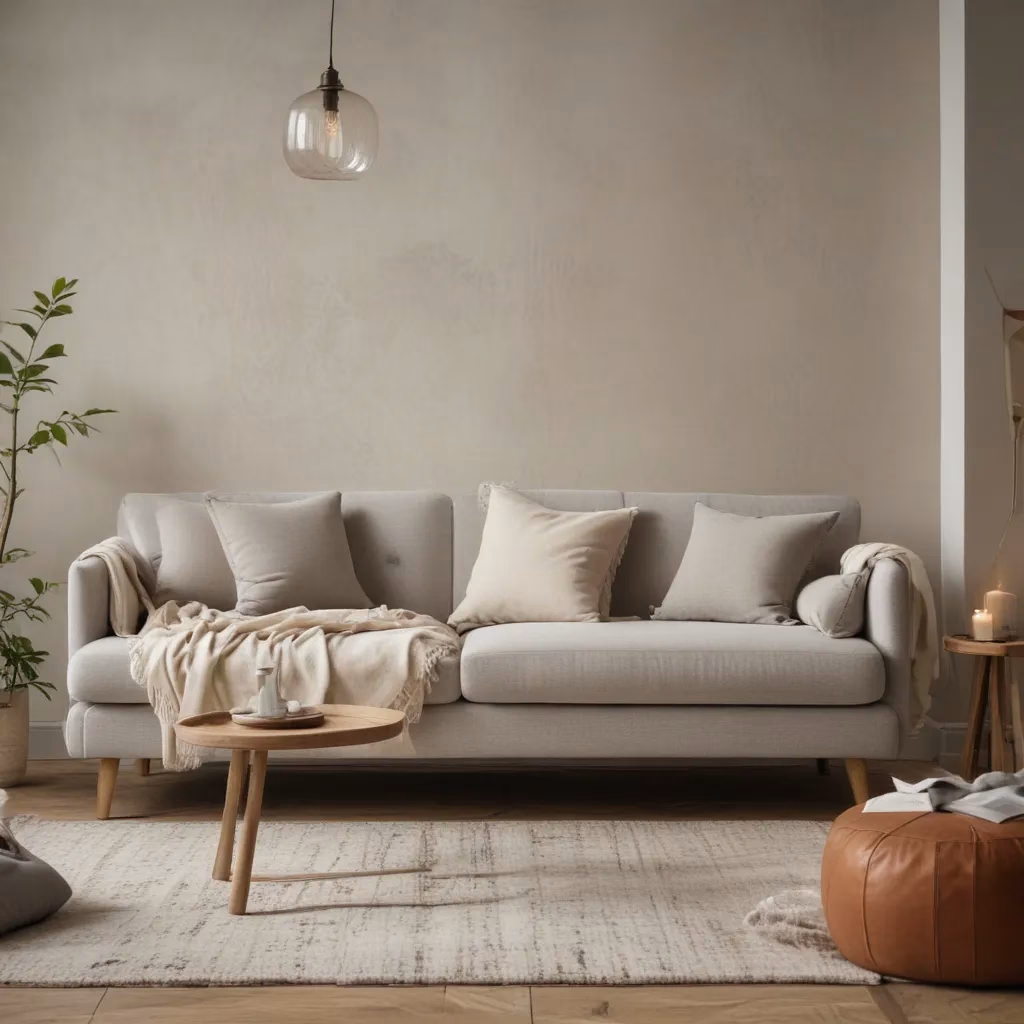
Incorporating Rustic and Natural Elements: Bring the soothing influence of nature into your living space by incorporating "wooden" accents, "woven" baskets, and "potted plants". These natural elements reinforce the hygge aesthetic and help to ground the room in a sense of calm and tranquillity.
Lighting Choices for Warm Atmospheres: Soft, "ambient lighting" is essential for creating a cosy, hygge-inspired atmosphere. Layer table lamps, floor lamps, and "string lights" to produce a warm, "flickering glow" that evokes a sense of comfort and relaxation. Avoid harsh, overhead lighting in favour of more intimate, indirect illumination.
Personalising Your Living Space
Arranging Pillows and Blankets: Thoughtfully arrange your sofa with an abundance of plush, "oversized pillows" and "cosy throws". This creates an inviting, "nesting" feel that encourages you and your loved ones to sink in and unwind. Experiment with different patterns, textures, and heights to add visual interest.
Complementary Décor and Artwork: Incorporate personal touches and "artwork" that reflect your unique style and interests. Family photos, framed prints, or even DIY projects" can lend a sense of warmth and character to your living space. These meaningful elements help to create a hygge-inspired environment that feels truly your own.
Creating a Welcoming Focal Point: Establish a cosy focal point in your living room, such as a "fireplace" or a "built-in bookshelf". These features not only add visual interest but also foster a sense of comfort and invitation. Style the area with candles, plants, and other hygge-inspired accents to create a warm, inviting atmosphere.
Buying Guide for Cosy Sofas
When it comes to finding the perfect hygge-inspired sofa for your living space, there are several key considerations to keep in mind. From evaluating size and proportions to assessing comfort features and sustainability concerns, this buying guide will help you make an informed decision.
Evaluating Sofa Size and Proportions
Measuring Your Living Room: Begin by carefully measuring the dimensions of your living room, taking into account the available floor space, doorways, and any other obstacles that may affect the placement of your new sofa. "Make a scaled diagram" of the room to visualize how different sofa sizes and configurations will fit.
Choosing the Right Sofa Dimensions: Select a sofa that is proportionate to the size of your living room. "Opt for a larger, more expansive model" if you have ample space, or consider a "loveseat or compact sectional" for smaller areas. Pay attention to the sofa's depth, height, and overall footprint to double-check that it doesn't overwhelm the room.
Considering Space for Walkways: Leave sufficient room for "walkways" around your sofa, allowing for easy movement and flow throughout the living space. "Avoid blocking doorways or creating tight, cramped areas" that can disrupt the hygge-inspired ambience you’re trying to achieve.
Features to Enhance Comfort
Supportive Cushions and Backrest: Look for a sofa with "high-density foam" or "memory foam" cushions that provide ample support and comfort. "double-check that the backrest is sufficiently padded" to promote relaxation and prevent fatigue during long periods of use.
Reclining and Modular Options: Consider a "reclining sofa" or a "modular design" that allows you to customise the seating arrangement to suit your needs. "These features can enhance the overall comfort and versatility of your living space."
Assessing Sofa Depth and Seat Height: Evaluate the sofa’s depth and seat height to double-check that it aligns with your personal preferences and physical needs. "A deeper seat depth" may be more comfortable for taller individuals, while "a higher seat height" can make it easier to get in and out of the sofa.
Budget and Sustainability Concerns
Identifying Quality Construction: Look for a sofa with a sturdy, well-made frame that can withstand daily use. "Inspect the joints and support structures" to double-check that they are built to last, and consider the long-term durability of the upholstery materials.
Balancing Cost and Longevity: While it’s tempting to opt for the most budget-friendly option, investing in a high-quality sofa that will stand the test of time can be a more cost-effective solution in the long run. "Consider the overall value and lifespan of the piece" to make an informed decision that aligns with your hygge-inspired vision.
Eco-Friendly and Ethical Sourcing: For the environmentally conscious, seek out sofas made from "sustainable" or "recycled" materials, and prioritise brands that prioritise ethical manufacturing practices. "These choices can help you create a cosy, guilt-free living space that aligns with your values."
By applying these principles of hygge-inspired design, you can create a living space that truly embodies the warmth, comfort, and connection that the Danish concept celebrates. Whether you’re choosing the perfect sofa, caring for your existing one, or styling your entire living room, the goal is to cultivate a sense of "effortless coziness" that invites you and your loved ones to relax, unwind, and savour the simple pleasures of life.
Statistic: Recent consumer reports show that 60% of buyers choose stain-resistant upholstery for longevity