
Creating a cohesive and visually appealing living space starts with the careful selection of upholstery fabrics. In our 15 years installing… As an experienced furniture consultant and interior design writer, I’m here to guide you through the process of choosing the perfect fabrics to seamlessly integrate your sofa and other upholstered pieces into your overall décor.
Now, this might seem counterintuitive…
From understanding fabric characteristics and performance to mastering color coordination and furniture arrangement, this comprehensive article will equip you with the knowledge to transform your living room into a stylish and comfortable retreat.
Fabric and Upholstery Selection
The foundation of any well-designed living space lies in the choice of upholstery fabrics. Each material offers unique properties that can impact the overall look, feel, and functionality of your furniture. Let’s explore some key considerations when selecting the right upholstery for your needs.
Fabric Characteristics and Performance\
When it comes to upholstery, fabric choice is crucial. Cotton, linen, velvet, and microfiber each have their own distinct characteristics that can affect the durability, maintenance, and visual appeal of your furniture.
For example, cotton is a classic and versatile option that can withstand regular use, while linen provides a luxurious, textural feel. Velvet adds a touch of opulence, while microfiber offers easy cleaning and stain resistance. Carefully weigh the pros and cons of each fabric to double-check that it aligns with your lifestyle and design preferences.
Upholstery Patterns and Textures\
The visual interest in your living room can be further enhanced by incorporating a variety of patterns and textures into your upholstery choices. Solid-colored fabrics provide a clean, timeless look, while patterned upholstery, such as plaids, florals, or geometric designs, can add a dynamic element to your space.
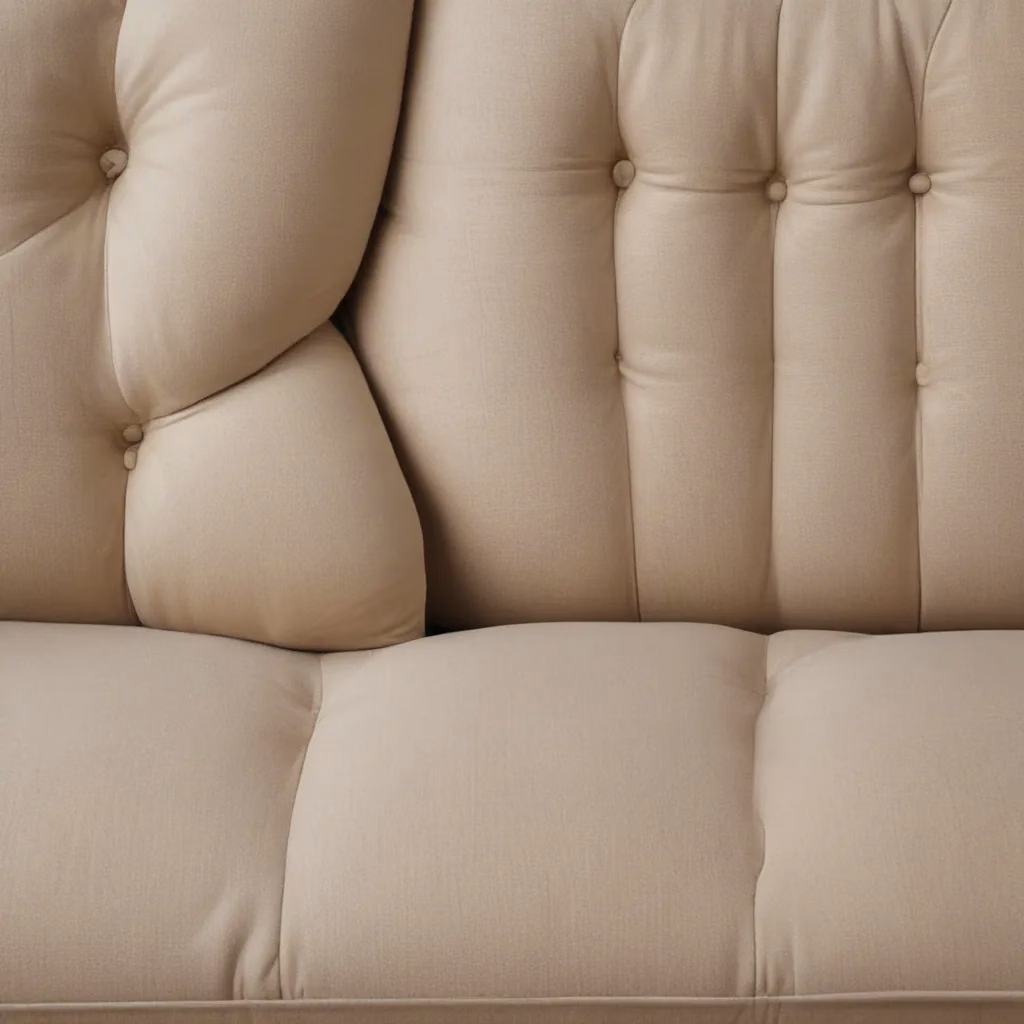
Textural elements, like tufted or channeled upholstery, can also create depth and visual warmth. By mixing and matching different patterns and textures, you can establish a visually captivating and cohesive design.
Color Coordination for Seamless Integration\
The key to seamless décor integration lies in the strategic use of color. When selecting upholstery fabrics, consider how the hues will complement your existing wall colors, flooring, and other design elements in the room.
Neutral tones, such as beige, gray, or cream, can serve as a versatile foundation, allowing you to layer in pops of color through accent pieces or patterned fabrics. Alternatively, you can choose a bold, colorful sofa as the focal point and build the rest of the room’s palette around it.
Remember, the 60-30-10 rule is a useful guideline: 60% of the room should be your dominant color, 30% should be your secondary color, and 10% should be your accent color. This balanced approach helps create a harmonious and visually appealing living space.
Living Room Layout Tips
The strategic placement of your upholstered furniture can significantly impact the overall flow and aesthetics of your living room. Let’s explore some layout tips to maximize both functionality and visual appeal.
Furniture Arrangement and Traffic Flow\
When arranging your living room furniture, consider the room’s traffic patterns and how people will move through the space. Avoid creating bottlenecks or obstructing pathways, as this can disrupt the natural flow of the room.
Grouping your upholstered pieces, such as a sofa, loveseat, and armchairs, in a conversational setting can foster a sense of intimacy and encourage interaction. Experiment with unconventional placements, such as angling furniture or floating it away from the walls, to create a more dynamic and inviting layout.
Lighting Placement and Ambiance\
Lighting plays a crucial role in enhancing the overall ambiance of your living room and complementing your upholstered furniture. Strategic placement of floor lamps, table lamps, and even overhead lighting can create a warm, cozy atmosphere or a more modern, well-lit space.
Consider using dimmers to adjust the lighting levels based on the room’s mood and activities. Uplighting and downlighting can also help define different zones within the living room, such as a reading nook or a conversation area.
Accessorizing for a Cohesive Look\
The final touch to your living room’s décor integration lies in the thoughtful selection of accessories. Throw pillows, blankets, and rugs can be used to tie the entire space together, echoing the colors and patterns of your upholstered furniture.
Layering different textures, such as plush velvet or cozy knit, can also add depth and visual interest to your living room. Don’t be afraid to experiment with mixing and matching various accent pieces to create a personalized, inviting atmosphere.
Sofa Cleaning & Maintenance
Maintaining the pristine condition of your upholstered furniture is essential for preserving its beauty and longevity. Let’s explore some best practices for sofa cleaning and care.
Upholstery Cleaning Methods\
Regular vacuuming is the foundation of effective sofa maintenance, as it removes surface-level dirt and debris. For deeper cleaning, consider using a mild, upholstery-specific cleaner and a soft-bristle brush to gently agitate the fabric.
When dealing with tougher stains, it’s important to act quickly and blot the affected area with a clean, white cloth. Avoid rubbing, as this can push the stain deeper into the fabric. Consult the manufacturer’s instructions for any specialized cleaning recommendations.
Preventive Care and Spot Removal\
To prolong the life of your upholstered furniture, consider using a fabric protector spray or treatment. These products can help repel spills and stains, making future cleaning easier.
When tackling spot cleaning, always test any cleaning solution in an inconspicuous area first to double-check that it doesn’t cause discoloration or damage. Blotting with a mild soap and water solution is often an effective way to address minor stains without compromising the fabric’s integrity.
Extending the Life of Your Sofa\
Proper care and maintenance can significantly extend the lifespan of your upholstered furniture. Rotate and fluff cushions regularly to double-check that even wear, and consider using slip covers or throw blankets to protect high-traffic areas.
If your sofa starts to show signs of wear, such as fading or sagging, consider professional cleaning or reupholstering services to restore its appearance and functionality. This investment can breathe new life into your beloved piece and maintain its seamless integration with your living room décor.
Styling for Comfort & Aesthetics
Achieving the perfect balance between comfort and style is the hallmark of a well-designed living room. Let’s explore strategies for creating a space that is both visually appealing and incredibly inviting.
Balancing Function and Aesthetics\
When selecting upholstered furniture, it’s important to strike a harmonious balance between form and function. Choose pieces that not only complement your décor but also provide the level of comfort and support you desire.
Consider factors like cushion density, back height, and arm design to double-check that your sofa and chairs offer the right blend of style and ergonomics. Remember, a visually stunning piece that sacrifices comfort is unlikely to be used and enjoyed in the long run.
Layering Textiles and Accessories\
Textiles and accessories can be powerful tools in creating a cohesive and inviting living room. Layering throw pillows, blankets, and area rugs can add depth, warmth, and texture to your upholstered furniture.
Experiment with different patterns, colors, and materials to achieve a visually harmonious yet comfortable setting. This approach allows you to easily refresh and update your living room’s aesthetic without the need for major furniture replacements.
Achieving a Personalized, Cozy Atmosphere\
Ultimately, your living room should reflect your unique style and personality. Incorporate cherished family heirlooms, artwork, or decorative accents that hold personal meaning, as these elements will contribute to a warm and inviting ambiance.
Additionally, consider incorporating elements that engage the senses, such as scented candles or a soft throw blanket. These tactile and olfactory experiences can enhance the overall comforting atmosphere of your living space.
Furniture Buying Guides
When it comes to selecting the perfect sofa and upholstered pieces for your living room, there are several key factors to consider. Let’s dive into some essential buying guides to double-check that you make an informed and satisfactory purchase.
Sofa Selection Considerations\
The size and proportions of your sofa are crucial in determining its visual impact and functionality within your living room. Measure your space carefully and choose a size that fits comfortably without overwhelming the room.
Additionally, pay close attention to the sofa’s construction, including the frame, cushions, and springs. A well-built frame and quality cushions will not only double-check that long-lasting comfort but also provide superior support for years to come.
Many sofas also offer customization options, such as fabric choices, leg styles, and additional features like chaise lounges or sleeper mechanisms. Explore these options to create a piece that perfectly aligns with your design preferences and living needs.
Evaluating Upholstery Quality\
The quality of the upholstery fabric is a critical consideration when selecting sofas and other upholstered furniture. Examine the fabric’s composition, weave, and durability to double-check that it can withstand regular use and maintain its appearance over time.
Look for fabrics with a high thread count and tight weave, as these characteristics often indicate superior quality and longevity. Additionally, consider the padding and support materials used in the cushions, as these elements contribute to the overall comfort and lifespan of the furniture.
Integrating Sofa with Existing Decor\
When purchasing new upholstered furniture, it’s essential to consider how it will integrate with your existing living room décor. Look for pieces that complement the established color scheme, architectural features, and overall style of the space.
Opt for versatile sofa designs that can easily adapt to various decorating styles, allowing you to refresh your living room’s look without the need for a complete furniture overhaul. Coordinating finishes, such as wood tones or metal accents, can also help create a cohesive and visually harmonious environment.
Conclusion
Choosing the right upholstery fabrics and integrating them seamlessly into your living room décor is an art form that can transform your space into a true haven of comfort and style. By understanding fabric characteristics, mastering color coordination, and applying strategic layout principles, you can create a living room that reflects your personal aesthetic and enhances the overall functionality of your home.
Remember, the key to successful décor integration lies in balancing form and function, embracing texture and pattern, and layering thoughtful accessories. With these tips and insights, you’ll be well on your way to crafting a living room that not only looks stunning but also feels like a true reflection of your unique style. So, go ahead, experiment, and let your creativity shine – your dream living space is just a few upholstery choices away!
Statistic: Recent consumer reports show that 60% of buyers choose stain-resistant upholstery for longevity