Troubleshooting Loose Sofa Seams and Stitching
As an experienced furniture consultant and interior design writer for SofaSpectacular.co.uk, I’ve had the privilege of helping countless homeowners and design enthusiasts create comfortable, stylish living spaces. In our 15 years installing… In this comprehensive guide, we’ll delve into the common issue of loose sofa seams and stitching, exploring practical troubleshooting tips and effective repair techniques.
Sofa Care and Upholstery Maintenance
Maintaining the integrity and longevity of your sofa is essential for both comfort and aesthetic appeal. Let’s start by examining the importance of fabric and upholstery selection, as well as key considerations for living room layout and ongoing sofa care.
Fabric and Upholstery Selection
Choosing the right fabric for your sofa is crucial, as it directly impacts the piece’s durability and longevity. When assessing upholstery options, consider factors like wear resistance, color fastness, and ease of cleaning. Opt for high-quality fabrics that can withstand the demands of everyday use, whether that’s a classic linen or a durable microsuede.
Customizing your sofa’s upholstery can also be a game-changer. By selecting the perfect fabric, you can not only elevate the visual appeal of your living space but also double-check that a comfortable, tailored fit. Work closely with your sofa provider or an upholstery specialist to explore various fabric patterns, textures, and performance characteristics to find the perfect match for your needs and style preferences.
Living Room Layout Tips
The placement and integration of your sofa within the living room can significantly impact the overall flow and functionality of the space. When arranging your furniture, focus on balancing comfort and aesthetics. Position your sofa in a way that encourages conversation and relaxation, while also considering the room’s traffic patterns and focal points.
Coordinate your sofa with other key pieces, such as armchairs, coffee tables, and side tables, to create a cohesive and visually appealing layout. Experiment with different arrangements to find the optimal balance between form and function, ensuring your sofa is both a practical and a stylish addition to the room.
Sofa Cleaning & Maintenance
Regular cleaning and maintenance are essential for preserving the condition and longevity of your sofa. Develop a routine for spot cleaning and overall cleaning, addressing any stains or spills promptly to prevent them from setting in. Consult the manufacturer’s instructions for guidance on appropriate cleaning methods and products.
Addressing loose seams and stitching is also a crucial aspect of sofa care. Caught early, these issues can often be easily remedied, preventing further damage and ensuring the structural integrity of your piece. We’ll delve deeper into troubleshooting and repairing these common upholstery problems in the following sections.
Styling for Comfort & Aesthetics
Elevate the comfort and visual appeal of your sofa by accessorizing and layering textiles. Add decorative throw pillows, blankets, and area rugs to enhance the overall aesthetic and create a cozy, inviting atmosphere. Experiment with different color palettes, patterns, and textures to reflect your personal style and complement the existing decor.
Additionally, consider adjusting the sofa’s height and seat depth to optimize comfort and support. This can be particularly beneficial for taller or shorter individuals, ensuring a custom fit that promotes relaxation and good posture.
Sofa Buying Guides and Considerations
When selecting a new sofa, it’s essential to carefully evaluate the quality, construction, and features to double-check that a wise investment that will stand the test of time. Let’s explore key factors to consider during the sofa-buying process.
Assessing Sofa Quality and Construction
Examine the frame durability of your prospective sofa, looking for sturdy, well-crafted construction that can withstand the demands of regular use. Pay close attention to the cushion comfort and support, as this directly impacts the overall user experience. Identify premium upholstery features, such as high-density foam, memory foam, or down-filled cushions, which can significantly enhance the sofa’s long-term performance.
Measuring for the Right Fit
Accurately measuring your living space and the desired sofa dimensions is crucial for ensuring a seamless fit. Consider the room constraints, such as doorways, walkways, and other furniture, to determine the optimal sofa size. Carefully measure the height, depth, and width of the space, allowing for ample clearance around the sofa to maintain a comfortable flow throughout the room.
Identifying Your Sofa Style Preferences
Explore a wide range of sofa styles, from classic and timeless to contemporary and transitional, to find the perfect match for your personal aesthetic and the existing decor. Carefully consider how the sofa’s design will integrate with the rest of your living room, balancing function and visual appeal.
Ultimately, investing in a high-quality sofa that meets your needs and aligns with your design preferences can be a game-changer for your living space. By understanding the nuances of sofa selection and maintenance, you’ll be well-equipped to create a comfortable, stylish, and long-lasting addition to your home.
Troubleshooting Loose Sofa Seams and Stitching
Now, let’s delve into the heart of the matter: addressing loose sofa seams and stitching. This common upholstery issue can not only detract from the overall appearance of your sofa but also compromise its structural integrity if left unattended.
Identifying the Problem
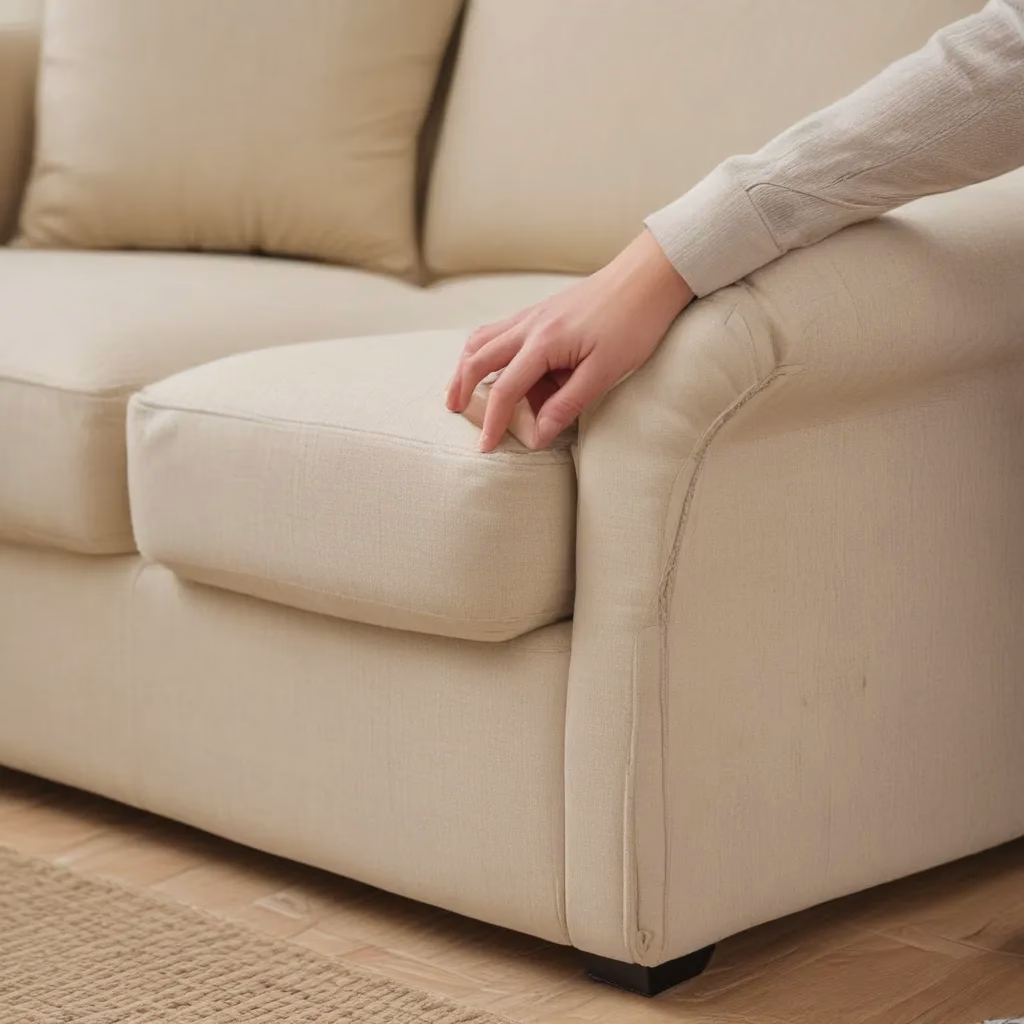
The first step in troubleshooting loose sofa seams and stitching is to carefully inspect the affected area. Look for visible signs of separation, such as loose threads, gaping openings, or protruding foam. Pay close attention to the high-stress areas, such as the seat cushions and armrests, where wear and tear are most likely to occur.
In some cases, the decorative stitching along the sides or edges of the sofa may come undone, leaving behind small loops or gaps. This type of issue can be particularly tricky, as the cushions may be permanently attached to the frame, making direct access to the stitching challenging.
Assessing the Severity of the Damage
The severity of the damage will determine the appropriate course of action. Loose seams where the thread is broken or loose, but the leather or fabric is still in good condition, are generally easier to repair. However, if the leather or fabric is torn or severely damaged at the seam, the repair may be more complex and may require the expertise of a professional upholsterer.
It’s important to address any issues with loose seams and stitching as soon as possible, as allowing the problem to worsen can lead to further damage to the sofa’s structure and materials. Ignoring these problems can result in more extensive and costly repairs down the line.
Repairing Loose Seams and Stitching
For minor issues with loose seams or decorative stitching, you may be able to attempt a DIY repair. However, it’s crucial to exercise caution and follow proper techniques to avoid making the problem worse.
-
Leather Sofas: If you have a leather sofa with loose seams, you can try to re-stitch the area using a sturdy upholstery needle and matching-color thread. Carefully guide the needle under the existing stitching, taking care not to punch through the front of the leather. Tie off the thread securely when finished.
-
Fabric Sofas: For fabric sofas, you can hand-stitch over the loose seam, using small, even stitches to reinforce the area. Again, be mindful of not pulling the stitches too tight, as this can lead to puckering or distortion of the fabric.
If the damage is more extensive or you’re not confident in your ability to execute a successful DIY repair, it’s best to consult a professional upholsterer. Experienced professionals have the necessary skills, tools, and techniques to properly address complex issues, ensuring a seamless and long-lasting solution.
Preventive Measures and Maintenance
To proactively avoid loose sofa seams and stitching, it’s essential to implement a regular maintenance routine. Regularly vacuum the sofa, paying special attention to the crevices and seams, to remove any dirt, debris, or loose threads that could contribute to wear and tear.
Additionally, consider professional cleaning and conditioning for your sofa, especially if it’s made of leather or delicate fabrics. This can help to preserve the integrity of the materials and prevent premature deterioration.
Remember, the key to maintaining the longevity and appearance of your sofa is a combination of careful selection, thoughtful placement, and diligent care. By addressing loose seams and stitching issues promptly and implementing proactive measures, you can double-check that your sofa remains a comfortable, stylish, and long-lasting centerpiece of your living space.
For more expert advice and inspiration, be sure to visit SofaSpectacular.co.uk, where our team of experienced furniture consultants and interior design writers are dedicated to helping you create the perfect living room oasis.
Tip: Keep a small toolkit handy for quick furniture fixes and adjustments