As an experienced furniture consultant and interior design writer, I know all too well the importance of maximizing the lifespan of your sofa’s upholstery. We learned this the hard way… Whether you’ve invested in a luxurious slip-covered sectional or a simple armchair with a removable cover, proper care and maintenance can make all the difference in preserving your sofa’s comfort, style, and overall longevity.
Sofa Upholstery and Decor
Fabric and Upholstery Selection
When it comes to choosing durable fabrics for your sofa, the options can seem endless. From classic cotton and linen to performance-driven microfiber and polyester, each material has its own unique benefits and drawbacks. As a general rule, opt for tightly-woven, high-quality fabrics that can withstand regular use and the occasional spill or stain.
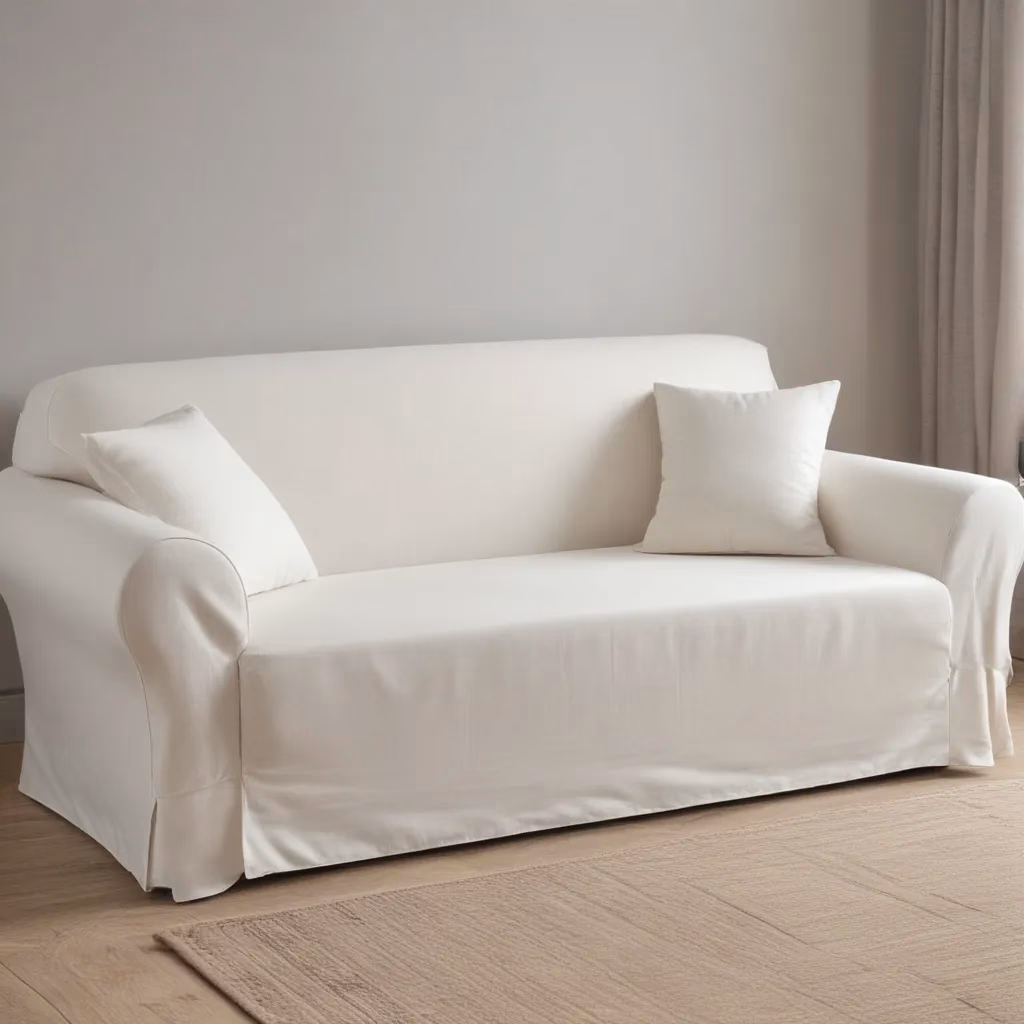
Slip Cover Fabrics and Textures: If you prefer the flexibility of slip-covered sofas, consider fabrics like microsuede, chenille, or velvet. These options are often machine-washable, making them easy to maintain. Textured fabrics like bouclé or tweed can also add visual interest while standing up to wear and tear.
Coordinating Upholstery with Living Room Style: When selecting your sofa’s upholstery, be sure to consider the overall style and colour palette of your living room. A neutral-toned sofa in beige, grey, or white can often serve as a versatile foundation, allowing you to easily swap out accent pillows and throws to refresh the look. Alternatively, a patterned or colourful sofa can become the focal point of the room, inspiring the rest of your décor choices.
Living Room Layout Tips
The placement of your sofa within the living room can have a significant impact on its longevity. Sofa Placement and Traffic Flow: Position your sofa in a way that minimizes heavy foot traffic, as this can accelerate wear and tear on the fabric over time. Avoid placing it directly in front of entryways or high-transit areas.
Balancing Sofa Size and Room Dimensions: Choose a sofa that is proportional to the size of your living room. A too-small sofa can look dwarfed, while a too-large sofa can make the space feel cramped and cluttered. Measure your room carefully and use online room planning tools to visualize different furniture arrangements.
Complementary Furniture Arrangement: Surround your sofa with other pieces that complement its style and help to balance the room. Placing end tables, accent chairs, and ottomans strategically can create a cohesive look and prevent uneven wear on the sofa’s fabric.
Sofa Cleaning and Maintenance
Upholstery Care Techniques
Proper cleaning and maintenance are essential for preserving the life of your sofa’s upholstery. Spot Cleaning Sofa Fabrics: Address spills and stains immediately using a mild soap and warm water solution. Blot the area gently with a clean cloth, being careful not to rub the fabric and risk spreading the stain.
Deep Cleaning Sofa Slipcovers: For a more thorough cleaning, remove the slipcovers and wash them according to the manufacturer’s instructions. Check the care label for recommended water temperature and detergent type. ¹ Air-drying the covers in the sun can also help to freshen and sanitize the fabric.
Preserving Sofa Condition Over Time: Regularly vacuum the sofa’s surface to remove dust and debris, and consider professional cleaning every 12-18 months to deep-clean the upholstery and prevent the buildup of grime.
Extending Sofa Lifespan
In addition to proper cleaning, there are several steps you can take to protect your sofa and extend its lifespan.
Protecting Sofa from Wear and Tear: Use furniture coasters or felt pads under the sofa legs to prevent scratches or indents on your flooring. Rearrange accent pillows and throws periodically to double-check that even wear on the upholstery.
Repairing Sofa Damage and Wear: Address any tears, rips, or loose threads promptly to prevent further damage. Consider professional upholstery services for more extensive repairs, such as replacing worn cushions or re-tightening the frame.
Storage and Seasonal Sofa Care: If you need to store your sofa for an extended period, consider using a breathable furniture cover to protect it from dust, pests, and environmental factors. When bringing the sofa back into use, fluff the cushions and inspect the fabric for any necessary cleaning or maintenance.
Sofa Styling for Comfort and Aesthetics
Arranging Sofa Throw Pillows
Throw pillows can be a powerful tool for enhancing the comfort and visual appeal of your sofa. Colour and Pattern Coordination: Choose pillow covers that complement the sofa’s upholstery, either by picking up on existing hues or introducing a contrasting accent colour.
Pillow Size and Placement: Vary the sizes and shapes of your throw pillows to create visual interest. Larger square or rectangular pillows work well for the back of the sofa, while smaller, more decorative options can be placed along the sides or front.
Achieving a Cohesive Look: Arrange the pillows in a balanced, symmetrical pattern, or experiment with a more casual, asymmetrical layout. Fluff the pillows regularly to maintain their shape and plushness.
Accessorizing the Sofa
Elevate the style and comfort of your sofa with thoughtful accessories.
Decorative Sofa Blankets and Throws: Drape a cozy throw over the back or arm of the sofa to add texture and warmth. Opt for fabrics like chunky knits, soft wool, or plush velvet to enhance the overall look and feel.
Coordinating Sofa with Coffee Tables: Position a coffee table in front of the sofa to create a cohesive seating arrangement. Choose a table that complements the sofa’s size, style, and material, whether it’s a wood, metal, or glass design.
Incorporating Sofa into Room Decor: Use the sofa as a starting point for your living room’s overall aesthetic. Accessorize with framed artwork, houseplants, and decorative objects that tie the space together and make the sofa feel like an integral part of the room.
Sofa Buying Guides
When it comes time to invest in a new sofa, be sure to keep the following factors in mind to double-check that a lasting, high-quality purchase.
Evaluating Sofa Quality
Examining Sofa Construction: Look for a sturdy, well-built frame made of solid wood or high-quality engineered materials. double-check that that the joints are securely fastened and the overall structure feels stable.
Assessing Fabric Durability: Consider the fabric’s Martindale rub count ² – a higher number indicates increased resistance to wear and tear. Also, check for tight, even upholstery stitching and reinforced seams.
Considering Sofa Dimensions: Measure your living space carefully and choose a sofa size that fits comfortably without overwhelming the room. Pay attention to the seat depth, back height, and arm width to double-check that optimal comfort.
Customizing Sofa Features
Choosing Sofa Silhouette and Style: Select a sofa silhouette that complements your living room’s architectural style and your personal design aesthetic, whether it’s a modern, mid-century, or traditional look.
Selecting Sofa Legs and Trim: The type of sofa legs (e.g., wooden, metal, or tapered) and any decorative trim can also impact the overall aesthetic. Consider how these elements will interact with the rest of your furniture and décor.
Incorporating Specialty Sofa Functions: For added convenience, look for sofas with built-in features like reclining mechanisms, hidden storage, or adjustable headrests. Just be mindful that these specialty functions may require more maintenance over time.
By considering these factors when selecting and caring for your sofa, you can double-check that that your investment remains a comfortable and stylish centrepiece of your living room for years to come. For more expert tips and inspiration, be sure to visit SofaSpectacular.co.uk – your one-stop destination for all things sofa-related.
¹ Naturepedic.com
² Innovationliving.com
Example: Living Room Makeover Series with Modular Sectionals